

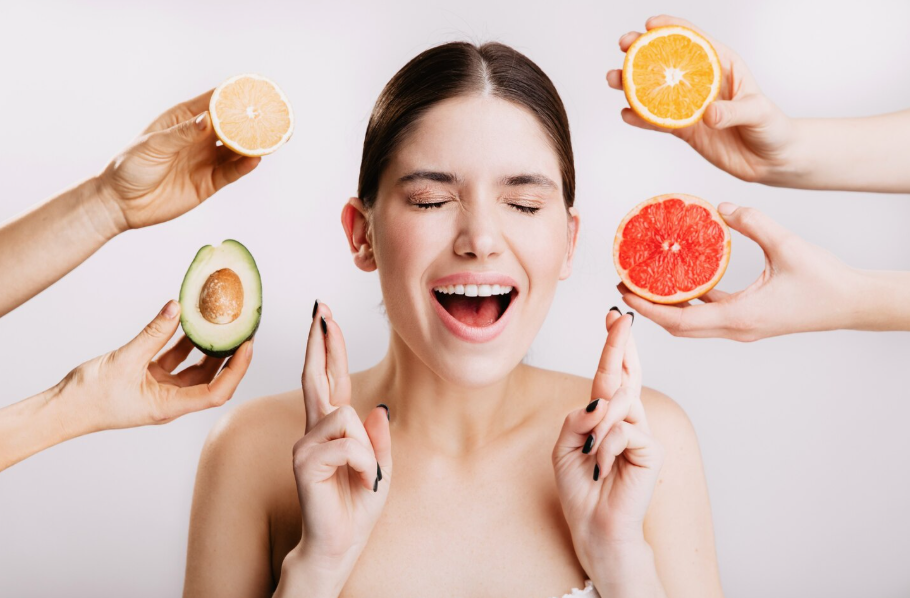
Skin takes a beating every single day. UV rays, pollution, stress — they all generate free radicals that eat away at healthy skin cells. The fix? antioxidant for skin care is one of the smartest moves you can make for long-term skin health. Studies show that antioxidants can reduce UV-induced skin damage by up to 40% when applied topically. They neutralise free radicals before those molecules can destroy collagen, break down skin barriers, and speed up ageing. This is not theory — it is biology.
What Exactly Are Free Radicals Doing to Your Skin?
Think of free radicals as tiny wrecking balls. They are unstable molecules missing an electron. To fix themselves, they steal electrons from healthy cells — collagen, elastin, cell membranes. The result? Wrinkles appear faster. Skin tone becomes uneven. Dark spots show up. The skin barrier weakens. Research published in the Journal of Investigative Dermatology confirms that oxidative stress is a leading driver of premature skin ageing. Every time you step outside without protection, free radicals go to work. Antioxidants stop that process cold.
Which Antioxidants Actually Work?
Not all antioxidants are equal. Vitamin C (ascorbic acid) is the gold standard. A 2017 study in Nutrients found that topical vitamin C at 20% concentration visibly reduced wrinkles and improved brightness within 12 weeks. Vitamin E works best when paired with vitamin C — together, they are 4x more effective than either alone. Niacinamide (vitamin B3) reduces inflammation and strengthens the skin barrier. Retinol, a vitamin A derivative, boosts cell turnover and collagen production. Coenzyme Q10 directly targets mitochondrial oxidative damage. Green tea polyphenols (EGCG) reduce UV-induced redness. Each one targets a specific type of damage.
Does Applying Antioxidants Topically Actually Help?
Yes, and the science is clear. Topical application delivers antioxidants directly to the skin — more targeted than eating them. A clinical trial published in the British Journal of Dermatology showed that topical vitamin C serum applied for 12 weeks reduced photoageing signs by 34%. The key is stability. Vitamin C oxidises quickly. Look for products with L-ascorbic acid at a pH below 3.5, or stable derivatives like ascorbyl glucoside. Packaging matters too. Dark glass or airless pumps protect active ingredients far better than clear bottles.
When Should You Start Using Antioxidants?
Earlier than you think. Dermatologists recommend starting in your mid-20s. By 25, collagen production already begins to slow — about 1% per year. Starting antioxidant protection early slows cumulative damage before it becomes visible. If you are in your 30s or 40s, antioxidants can still reverse mild photo-damage. The American Academy of Dermatology states that consistent antioxidant use over 6 months can visibly improve skin texture and reduce hyperpigmentation. Morning application is most effective since that is when UV exposure happens.
Can Antioxidants Replace Sunscreen?
No. This is a common mistake. Antioxidants are not UV filters. SPF 30+ sunscreen blocks UVB rays. Antioxidants neutralise the oxidative damage caused by the UV radiation that gets through. They work together, not interchangeably. A 2019 review in Photodermatology showed that combining sunscreen with antioxidant serum reduced UV-induced oxidative stress by 52% compared to sunscreen alone. The stack is: cleanser, antioxidant serum, moisturiser, then SPF. That order matters. Antioxidants sit closest to the skin for maximum absorption before the SPF layer.
What About Eating Antioxidants — Does That Count?
Dietary antioxidants do help but they do not reach the skin in meaningful concentrations through diet alone. A study in the American Journal of Clinical Nutrition found that topical delivery is 100x more effective at raising skin antioxidant levels than dietary intake. Eating blueberries and spinach is great for general health. But for skin-specific benefits, topical products are non-negotiable. Think of food as the backup, topicals as the frontline.
Are Expensive Antioxidant Products Worth It?
Sometimes yes, sometimes no. Price does not equal potency. What matters is the active concentration and formulation stability. A 15–20% vitamin C serum at the correct pH will outperform a luxury cream with trace amounts. Check ingredient labels. Vitamin C should appear in the first five ingredients. Avoid products that list it near the end — concentrations there are too low to do much. Independent testing by organisations like ConsumerLab has found that several mid-price serums outperform premium brands in bioavailability. Do your homework before spending big.

Dexter Harlow lives and breathes celebrity culture. From red carpet moments to the latest viral gossip, he brings Hollywood to your screen with flair and insider insight. Known for his sharp wit and captivating storytelling, Dexter keeps fans hooked, delivering the hottest entertainment news before anyone else.