

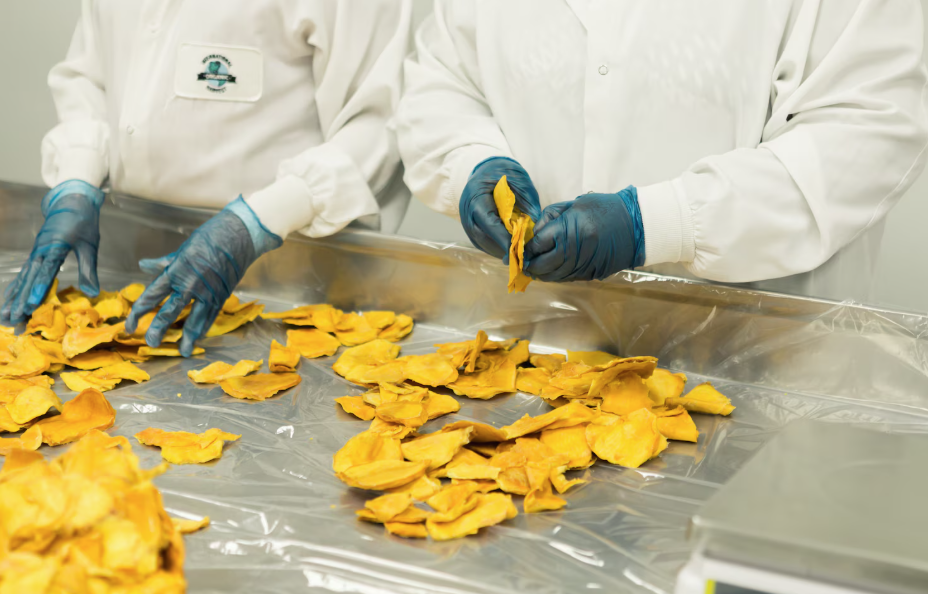
Most food brands hit the same wall: demand grows but production can’t keep up. Hiring staff, leasing space, and buying equipment takes months and costs real money. Contract food manufacturing cuts through that problem directly. It hands production to specialists who already have the infrastructure, the systems, and the staff. Australian food businesses that make this shift report leaner operations and faster execution. The numbers back it up. Brands using outsourced manufacturing reduce operational overhead by an average of 20 to 30%.
What Does Streamlining Actually Look Like in Practice?
Fewer internal decisions. Less operational firefighting. No equipment downtime to manage. No staff rostering for production shifts. You send a purchase order. The manufacturer produces and delivers. Your team focuses on what drives revenue instead of what keeps production running. That’s streamlining in real terms.
How Does It Reduce Operational Complexity?
In-house production creates dozens of moving parts: equipment maintenance, ingredient procurement, staff training, waste management, regulatory inspections, quality testing, and packaging logistics. Contract manufacturing consolidates most of those under one vendor relationship. Your complexity drops significantly. One relationship replaces a chain of internal departments.
Does It Improve Production Consistency?
Yes, when the manufacturer is competent. Food manufacturers running commercial-scale equipment with calibrated processes produce more consistent batches than most brands achieve in small-scale internal setups. Controlled environments, standardised procedures, and regular audits reduce batch-to-batch variation. Consistency protects brand reputation.
How Does Communication Work With a Contract Manufacturer?
Poorly managed communication is the main source of problems in contract manufacturing relationships. Establish a single point of contact on both sides. Agree on reporting cadence. Document every specification change in writing. Use production briefs, not verbal instructions. Most manufacturing problems trace back to communication failures, not technical failures.
Can a Manufacturer Help Improve Your Recipe?
Some can. Food technologists at manufacturing facilities often identify formulation issues that affect shelf life, texture, or production efficiency. If they spot something, listen. Their input comes from running similar products at scale. That experience is genuinely valuable. You don’t have to accept every suggestion, but dismiss them carefully.
What Processes Get Streamlined Most Noticeably?
Procurement and ingredient management are the first to improve. Manufacturers handle supplier relationships, purchase orders, and ingredient storage. Quality control becomes more systematic with formal batch testing. Packaging logistics become smoother when the manufacturer manages both production and packing. Lead times shorten when communication is tight.
How Does It Affect Your Team’s Workload?
It reduces it substantially for production-related tasks. Your team stops spending time on factory floor decisions and focuses on demand planning, customer relationships, and new product development. For small teams, this shift is transformational. The same five people can now manage twice the volume they could handle with in-house production.
What Are the Most Common Streamlining Mistakes?
Under-specifying products is the big one. If your product brief leaves room for interpretation, the manufacturer fills in the gaps themselves. That creates variation you didn’t ask for. Over-trusting without verification is second. Audit your manufacturer regularly. Spot-check product quality. Trust is built through verification, not assumption.
Is Technology Making This Easier?
Yes. ERP integrations, shared production portals, and real-time order tracking have improved visibility into contract manufacturing operations. Some manufacturers now offer client dashboards where you can see production status, inventory levels, and delivery schedules. That transparency reduces anxiety and speeds up decision-making on your end.

Dexter Harlow lives and breathes celebrity culture. From red carpet moments to the latest viral gossip, he brings Hollywood to your screen with flair and insider insight. Known for his sharp wit and captivating storytelling, Dexter keeps fans hooked, delivering the hottest entertainment news before anyone else.