

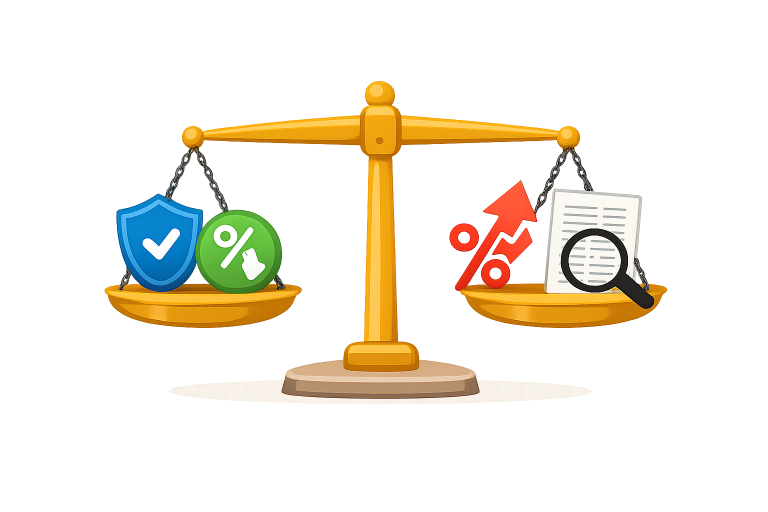
The Role of Private Student Loans in Higher Education
Facing ever-increasing college tuition, many families discover that scholarships, grants, and federal financial aid are not enough to cover the entire cost of attendance. This financial gap drives students and their parents to consider private loans for college as an additional resource. Private loans can help cover tuition, room and board, textbooks, and other expenses that remain after exhausting federal loan options.
Private student loans, unlike federal loans, are provided by banks, credit unions, and other financial institutions and typically require a good credit history, often necessitating a co-signer. Although these loans can enhance access to higher education, they introduce complexities and long-term obligations for students and families. Importantly, private loans lack standardization, with terms varying widely among lenders; thus, borrowers must carefully compare options and understand their responsibilities. Students are advised to consider all available funding sources to mitigate potential future financial strain.
Comparing Federal and Private Student Loans
Federal student loans feature fixed interest rates set by Congress and offer valuable protections, such as deferment, forbearance, income-driven repayment plans, and even forgiveness programs under certain conditions. Private student loans, by contrast, typically have variable interest rates that may rise or fall over the life of the loan. They also generally lack federal borrower protections, meaning repayment flexibility and relief options are limited. According to CNBC’s comparison of federal and private loans, students should exhaust their federal aid options before turning to private lenders.
In addition to differences in interest rates and borrower protections, private lenders consider a borrower’s creditworthiness, which can affect loan approval and the terms of the loan, such as interest rates and repayment duration. Some lenders offer deferment or forbearance options, but these are typically more restrictive and less generous than federal loan options. Furthermore, private loans generally do not offer forgiveness programs, making repayment a lifelong commitment unless consolidated or refinanced under specific circumstances. This difference becomes crucial for students anticipating careers in lower-paying fields who may rely on federal loan-forgiveness programs as part of their long-term repayment strategy.
Recent Changes in Federal Loan Policies
Congressional reforms have adjusted the landscape for education financing. For example, the One Big Beautiful Bill Act has imposed a $20,000 annual cap and a $65,000 aggregate cap on Parent PLUS loans, effective July 1, 2026. These new restrictions target graduate students and parents, limiting the amount they can borrow directly from the federal government. As a result, families may find themselves in greater need of private loans to cover the gap between federal aid and total education costs.
This policy change could have significant ripple effects, especially at institutions with high tuition or where families have limited financial means. Colleges may respond by increasing their institutional aid, but many students will still feel compelled to turn to private loans to close the funding gap. As families navigate these changes, financial counseling from college advisors and independent resources becomes even more important to help prevent unmanageable debt burdens and ensure students fully understand the consequences of private borrowing.
Risks Associated with Private Student Loans
There are significant risks to consider before signing on for a private student loan. With higher interest rates, the amount owed often grows faster than with federal loans, increasing overall debt levels upon graduation. Private lenders may not offer flexible repayment plans or hardship options, making it more difficult to pause payments during unemployment or financial distress. Additionally, many require a strong credit profile or, alternatively, a co-signer who will share responsibility for repayment. If a borrower defaults, both the student and co-signer’s credit could be negatively impacted.
One often-overlooked risk is the lack of death or disability discharge options that are offered through federal loans. If the borrower passes away or is permanently disabled, some private lenders will still pursue the outstanding debt from the estate or from a co-signer, which can place an unexpected burden on family members. Additionally, variable interest rates can rise dramatically due to market fluctuations, making long-term financial planning much more complicated for borrowers who expect to make payments over many years after graduation.
Strategies for Managing College Costs
Careful financial planning can limit or even eliminate the need for private loans. To avoid accumulating large debts, students are encouraged to:
- Apply early and aggressively for scholarships and grants, which do not require repayment.
- Select colleges with strong institutional aid packages and transparent financial aid practices.
- Pursue part-time employment opportunities both on and off campus to supplement existing financial aid.
- Create and stick to a realistic budget, tracking all expenses to identify savings opportunities.
These proactive strategies can make a significant difference in long-term financial health and stability after graduation. The U.S. Department of Education provides valuable resources for understanding the range of financial aid options available (studentaid.gov). Another critical strategy is to attend a community college for the first two years and then transfer to a four-year institution, thereby reducing the overall tuition burden. Students can also maximize Advanced Placement (AP) or dual enrollment credits in high school to shorten the length–and cost–of their college education. Additionally, seeking out reputable financial literacy programs can help students and families better understand how to manage debt responsibly, avoid predatory lending practices, and make choices that ensure long-term financial success.
Conclusion
As college costs rise and federal aid diminishes, private student loans increasingly help families finance higher education. However, higher interest rates, strict credit requirements, and limited protections necessitate thorough research. Students and families should prioritize federal aid and cost management strategies to make informed decisions for a secure financial future. Staying up to date on funding policies, loan products, and financial literacy is essential. While private loans offer access, their long-term implications require careful analysis and planning to ensure a rewarding college experience.

Dexter Harlow lives and breathes celebrity culture. From red carpet moments to the latest viral gossip, he brings Hollywood to your screen with flair and insider insight. Known for his sharp wit and captivating storytelling, Dexter keeps fans hooked, delivering the hottest entertainment news before anyone else.