

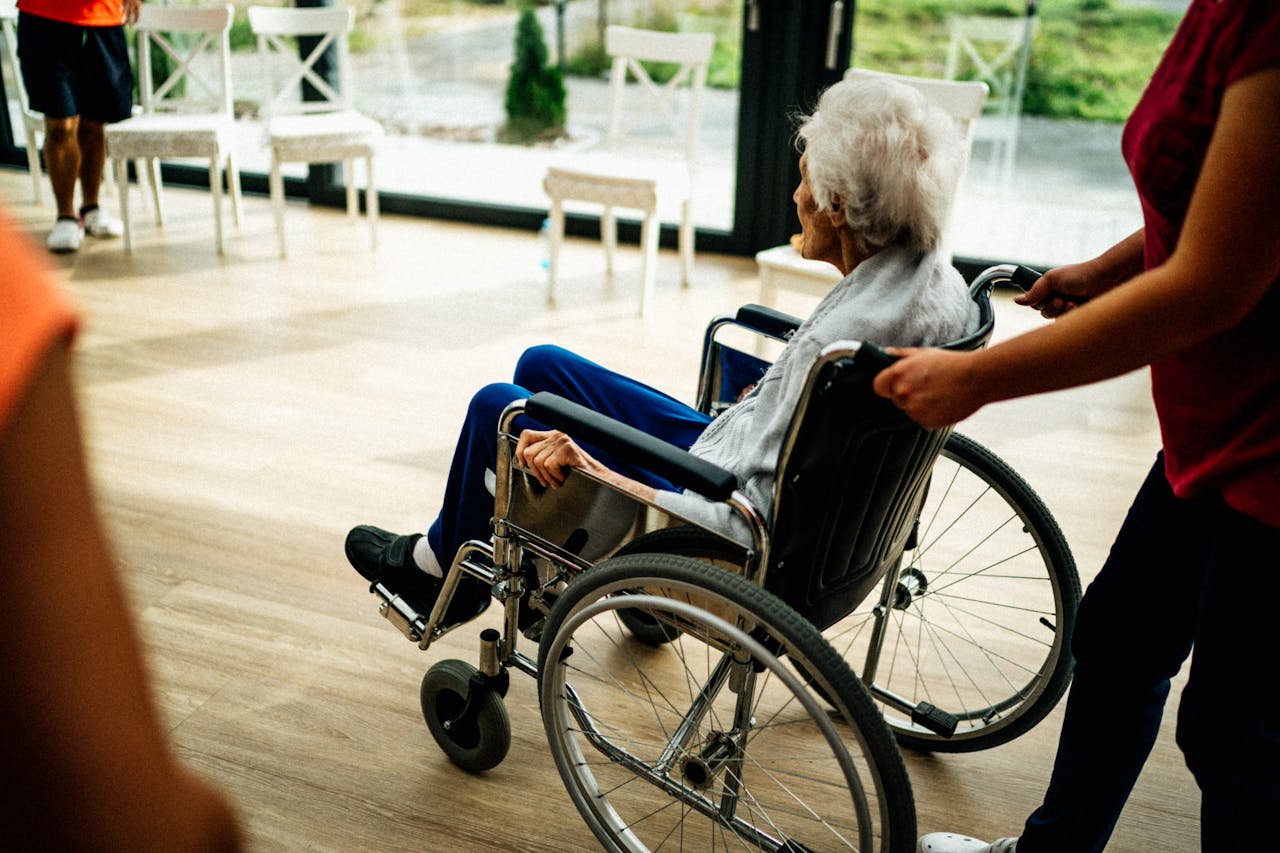
Deciding whether assisted living is the right choice for a loved one can be a difficult and emotional process. Families often want to ensure their loved ones remain safe, comfortable, and supported while still maintaining independence. As individuals age, their needs may change in ways that make daily life more challenging to manage alone. Recognizing when additional support is needed is an important step in providing the best possible care. Assisted living offers a structured environment designed to balance independence with assistance. Understanding the signs and factors involved can help families make informed decisions. With the right knowledge, this transition can become a positive and supportive step forward.
Difficulty Managing Daily Tasks Independently
One of the most common signs that assisted living may be needed is difficulty handling everyday activities. Tasks such as cooking, cleaning, bathing, or managing medications can become overwhelming over time. When these responsibilities are neglected, it can impact both health and safety. Seniors may begin skipping meals or struggling to maintain personal hygiene. These changes often happen gradually, making them easy to overlook at first. Noticing consistent difficulties is an important indicator that additional support may be beneficial. Assisted living provides help while still encouraging independence in daily routines.
Increased Safety Concerns At Home
Safety is a major factor when evaluating living situations for older adults. Frequent falls, difficulty navigating stairs, or forgetting to turn off appliances can create serious risks. Home environments are not always designed to accommodate age related challenges. When safety concerns become more frequent, it may be time to consider alternative living arrangements. Assisted living communities are built with safety features such as emergency response systems and accessible layouts. These environments help reduce risk and provide peace of mind for families. A safer setting allows seniors to maintain confidence in their daily lives.
Changes In Physical Or Cognitive Health
Declining physical or cognitive health can significantly impact a person’s ability to live independently. Mobility challenges may make it harder to move around safely, while memory loss can interfere with daily routines. Forgetting appointments, medications, or important tasks are signs that additional care may be needed. Cognitive changes can also lead to confusion or disorientation, increasing the need for supervision. Addressing these issues early helps prevent more serious complications. Structured care environments are designed to support evolving health needs. Monitoring these changes helps guide timely decisions.
Social Isolation And Lack Of Engagement
Social interaction plays a critical role in emotional and mental well being. Seniors who live alone may begin to feel isolated or withdrawn over time. Lack of engagement can lead to feelings of loneliness and even depression. Reduced social activity can also impact cognitive health. Assisted living communities provide opportunities for interaction through group activities, events, and shared spaces. These environments encourage connection and participation. Increased social engagement often leads to improved mood and quality of life.
Difficulty Managing Finances Or Responsibilities
Another sign that assisted living may be appropriate is difficulty managing personal responsibilities. This may include unpaid bills, disorganized paperwork, or confusion surrounding finances. These issues can lead to stress and potential financial risk. Managing a household requires organization and attention that may become difficult with age. Families should also understand allowable assisted living costs when planning long term care and budgeting for future support needs.
Caregiver Strain Within The Family
Family members often take on caregiving roles, but this can become overwhelming over time. Providing constant care requires physical, emotional, and mental energy. When caregivers begin to experience burnout, it can affect both their well being and the quality of care provided. Recognizing caregiver strain is just as important as identifying the needs of the senior. Assisted living offers professional support that allows families to focus on maintaining their relationship rather than managing full time care. Shared responsibility leads to better outcomes for everyone involved.
Exploring Community Options And Resources
Choosing the right assisted living community requires careful evaluation. Families should visit locations, speak with staff, and observe daily activities. Options such as Assisted Living in Santa Fe provide structured environments designed to meet a variety of needs. Comparing different communities helps identify the best fit based on services, atmosphere, and level of care. Understanding what each option offers ensures that decisions are informed and thoughtful. Taking time to research improves long term satisfaction. The right environment can make a significant difference.
Balancing Independence With Support
A common concern is whether assisted living will limit independence. In reality, these communities are designed to support autonomy while offering help when needed. Residents are encouraged to maintain routines and participate in activities at their own pace. Assistance is provided only where necessary, allowing individuals to stay active and engaged. This balance creates a more comfortable and empowering living situation. Maintaining independence improves confidence and overall satisfaction. Support enhances daily life rather than restricting it.
Preparing For A Smooth Transition
Transitioning into assisted living can be an emotional experience, so preparation is essential. Open conversations with your loved one help address concerns and build understanding. Involving them in the decision making process can improve acceptance and comfort. Bringing personal belongings into the new space helps create a familiar environment. Support from family during the transition period makes adjustment easier. Patience is key as it may take time to adapt. A well managed transition sets the stage for long term success.
Conclusion
Determining whether assisted living is right for your loved one involves careful observation and thoughtful decision making. Signs such as difficulty with daily tasks, safety concerns, and social isolation indicate that additional support may be needed. Considering both the needs of the individual and the well being of caregivers helps guide the process. Assisted living offers a balanced solution that supports independence while providing necessary care. Researching options and preparing for the transition ensures a smoother experience. With the right approach, assisted living can provide a safe, supportive, and fulfilling environment for seniors.

Dexter Harlow lives and breathes celebrity culture. From red carpet moments to the latest viral gossip, he brings Hollywood to your screen with flair and insider insight. Known for his sharp wit and captivating storytelling, Dexter keeps fans hooked, delivering the hottest entertainment news before anyone else.