

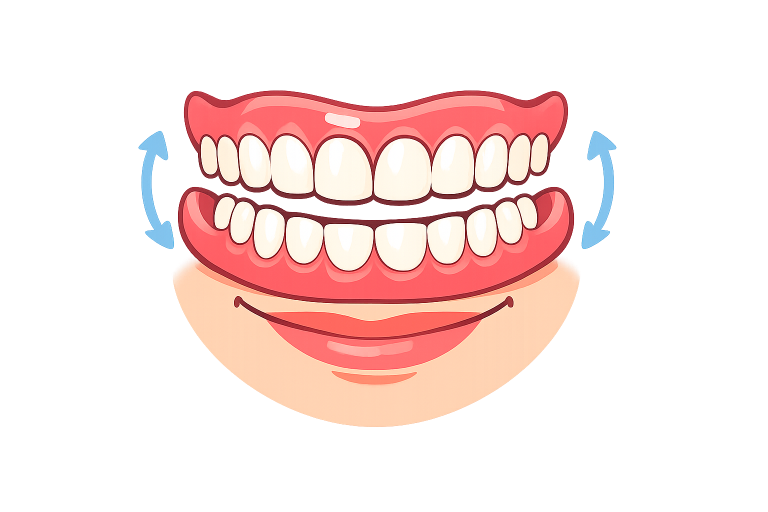
Loose dentures are a common concern, especially for those who have been wearing them for several years. While some may dismiss the problem as merely uncomfortable, the reality is that loose dentures can indicate deeper oral health issues that can affect daily life. If you or a loved one is struggling with slipping or shifting dentures, it is important to understand what causes this problem and how to address it.
Unstable dentures are more than a nuisance. They can have a direct impact on physical wellbeing, affecting everything from eating to self-confidence. Identifying the causes and seeking timely intervention can help restore comfort and function while preventing potentially serious health implications.
Many people do not realize that changes in the jaw, gums, or denture itself can lead to instability. Whether you have new dentures or have worn the same set for years, it is important to keep an eye out for early signs of looseness and take appropriate corrective action.
Ignoring loose dentures can lead to ongoing discomfort, gum damage, and problems with eating and speech. Knowing when to see a dentist and what solutions are available will help you maintain a comfortable and functional bite.
Common Causes of Loose Dentures
There are several reasons why dentures may become loose over time. Understanding these causes is the first step toward finding an effective solution.
- Bone Resorption: After losing teeth, the jawbone will naturally shrink because it no longer receives stimulation from tooth roots. As the bone diminishes in size, dentures may no longer fit snugly.
- Wear and Tear: Just like any frequently used appliance, dentures gradually wear down. The denture base, teeth, and lining can become uneven or damaged, contributing to shifting and instability.
- Improper Fit: Some dentures do not fit correctly from the start, while others become misaligned as oral structures change over time. Even a slight mismatch can cause ongoing problems.
Health Implications of Loose Dentures
Neglecting to address loose dentures can have direct health consequences:
- Gum Irritation: When dentures move around in the mouth, they can rub against soft tissues, causing painful sores, redness, and swelling.
- Difficulty Speaking: Stable dentures are essential for clear communication. When dentures become unstable, speech may become slurred or difficult to understand.
- Digestive Problems: Proper chewing is key to digestion. Loose dentures can prevent thorough grinding of food, leading to larger pieces entering the digestive tract and causing discomfort or inefficiency.
Long-term exposure to these risks can result in serious oral health challenges. For more information on the impact of oral health on overall wellbeing, the Mayo Clinic provides a comprehensive overview.
Solutions for Loose Dentures
Fortunately, there are multiple strategies to improve the fit and function of loose dentures. Choosing the right option depends on the cause of the instability and your personal oral health status.
- Denture Relining: Dentists can adjust the base of your denture so it better matches the current shape of your gums. This process is quick and cost-effective, making it a popular first step for many patients.
- Implant-Supported Dentures: Dental implants can anchor dentures firmly in place, preventing shifting and providing far greater stability and comfort. This option is ideal for those with sufficient healthy jawbone and who want a more permanent solution.
- Regular Dental Check-Ups: Consistent follow-up appointments give your dentist the chance to catch changes early and make adjustments before discomfort or complications arise.
Preventive Measures
Prevention is always better than correction. The following habits can slow the progression of loose dentures and keep your mouth healthy:
- Practice excellent oral hygiene, brushing and rinsing daily to reduce gum inflammation and infection.
- Handle dentures with care to avoid accidental drops, chipping, or bending.
- Schedule regular dental visits for professional cleaning, adjustment, and evaluation of fit.
The Mayo Clinic’s Dental Care Guide is another useful resource for learning about daily care and warning signs of denture problems.
When to Seek Professional Help
Persistent discomfort, frequent sore spots, and increasing difficulty with eating or speaking are all signs to seek professional evaluation. A dentist will assess your dentures, check the fit, and discuss the appropriate course of action, whether it be relining, repair, or a full replacement. Never ignore ongoing irritation or pain, as these can signal larger problems if left untreated.
Frequently Asked Questions About Loose Dentures
- How often should dentures be checked by a dentist? It is recommended to have your dentures checked by a dental professional at least once a year, even if they feel comfortable. This ensures that any subtle changes in fit or oral health are addressed early, preventing discomfort and long-term problems.
- Can adhesives provide a long-term solution for loose dentures? Dental adhesives can offer temporary relief by improving grip, but they do not address the underlying causes of loose dentures. Relying solely on adhesives may cover up signs of a poor fit that require professional attention.
- Is it normal for new dentures to feel loose? New dentures may feel unfamiliar at first as your mouth adjusts to wearing them. However, they should not slip frequently or cause pain. Persistent looseness in new dentures should be evaluated by your dentist for possible adjustment.
- Will my diet need to change if I have loose dentures? If your dentures are unstable, you might struggle with certain foods, especially those that are hard, sticky, or require prolonged chewing. Modifying your diet to softer foods can help temporarily, but it is important to resolve the underlying issue so you can return to eating a variety of nutritious foods.
Conclusion
Loose dentures are not an issue to take lightly. They can have lasting effects on your health, nutrition, and self-confidence. Early identification of symptoms and prompt action will help restore comfort, stability, and function. Consult your dental professional to find the most effective solution for your needs and ensure your long-term oral health.
Remember, every person’s mouth is unique. Denture fit is influenced by a combination of factors, and only a qualified dental professional can provide guidance tailored to your specific situation. Prioritizing oral health and seeking routine care is key to maximizing denture comfort and durability. Should you notice any signs of looseness or irritation, don’t hesitate to reach out to your dental care provider as soon as possible.

Dexter Harlow lives and breathes celebrity culture. From red carpet moments to the latest viral gossip, he brings Hollywood to your screen with flair and insider insight. Known for his sharp wit and captivating storytelling, Dexter keeps fans hooked, delivering the hottest entertainment news before anyone else.