

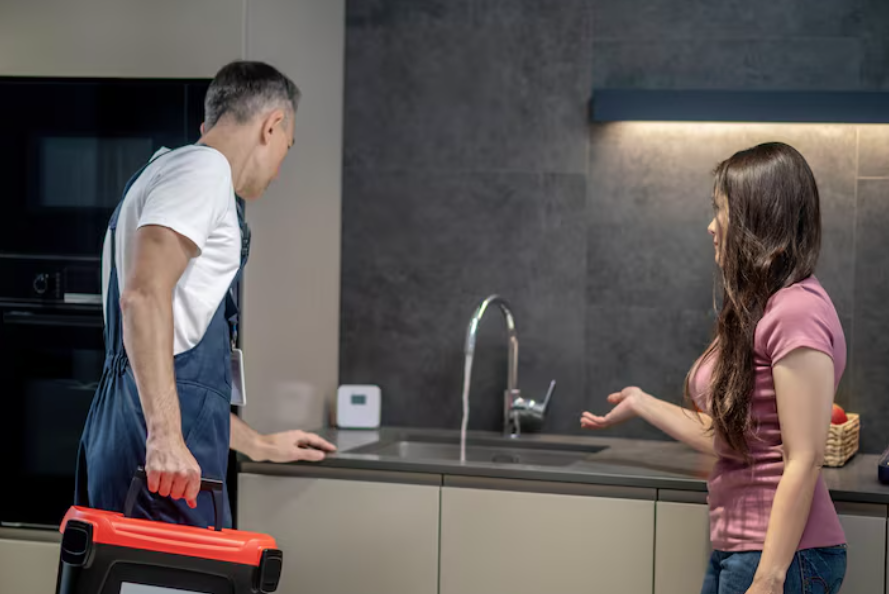
Home remodeling projects often begin with exciting ideas. Homeowners envision larger showers, open-concept kitchens, upgraded fixtures, and beautiful finishes that transform how a space looks and feels. What many people don’t realize is that some of the most important remodeling decisions happen behind the walls, long before the tile, paint, or cabinetry are installed.
One of the most common reasons remodeling budgets increase unexpectedly is the discovery of plumbing issues after construction begins. Whether you’re planning a bathroom renovation, kitchen upgrade, or whole-home remodel, consulting a qualified Lexington plumber early in the process can help identify challenges that might otherwise remain hidden until demolition starts.
Understanding how plumbing affects remodeling decisions can save money, reduce delays, and help homeowners achieve better long-term results.
Remodeling Success Starts With Infrastructure, Not Finishes
Homeowners naturally focus on visible design elements. Countertops, flooring, lighting, and cabinetry often dominate the planning phase. While these features are important, they depend on an underlying infrastructure that supports them.
A beautiful bathroom design can quickly become complicated if existing drain locations don’t support the new layout. A kitchen island may require additional water supply lines. A luxury shower system might demand plumbing upgrades to maintain adequate water pressure.
When plumbing requirements are addressed early, designers and contractors can create plans that are both attractive and practical. When plumbing considerations are delayed, homeowners frequently encounter redesign costs, construction delays, and unexpected expenses.
The most successful remodeling projects balance aesthetics with functionality from the beginning.
Why Older Homes Present Unique Challenges
Many remodeling projects involve homes that were built decades ago. While these properties often offer character and charm, their plumbing systems may not meet modern demands.
Older water lines can experience corrosion, reduced flow capacity, or hidden leaks. Drain systems may have been installed according to outdated standards. Previous renovations might have introduced unconventional modifications that complicate future work.
During demolition, contractors sometimes discover aging pipes that are nearing the end of their service life. Replacing these components while walls are already open is usually far more cost-effective than waiting for a failure to occur later.
For homeowners investing significantly in a remodel, upgrading critical plumbing infrastructure can provide peace of mind and help protect the value of the renovation.
The True Cost of Moving Fixtures
Many homeowners assume that moving a sink, bathtub, or toilet is a relatively simple adjustment. In reality, fixture relocation often affects multiple components within a home’s plumbing system.
Water supply lines may need to be rerouted. Drainage systems must maintain proper slope requirements. Venting systems may require modifications to ensure efficient operation.
The further a fixture moves from its original location, the greater the complexity often becomes.
This doesn’t mean layout changes should be avoided. Instead, homeowners should understand the implications early enough to make informed decisions. Sometimes a small adjustment to a floor plan can preserve the desired aesthetic while significantly reducing construction costs.
Thoughtful planning often creates opportunities to maximize both design flexibility and budget efficiency.
Water Heater Planning Is Frequently Overlooked
Remodeling projects create an ideal opportunity to evaluate a home’s hot water system.
A growing family, larger bathrooms, additional fixtures, or luxury amenities can increase hot water demand substantially. If the existing water heater is already operating near capacity, a renovation may expose performance limitations.
Many homeowners choose to evaluate tankless water heater options during remodeling because construction access simplifies installation and infrastructure updates. These systems can offer space savings and provide hot water on demand, making them attractive for modern homes.
The key is assessing future household needs rather than simply maintaining existing equipment.
Planning for long-term usage helps ensure that today’s renovation continues to perform well years into the future.
Plumbing Plays a Major Role in Bathroom Design
Bathrooms are among the most plumbing-intensive spaces in any home. Nearly every major fixture relies on water supply, drainage, and venting systems.
Homeowners frequently prioritize visual upgrades such as larger showers, freestanding tubs, floating vanities, and modern fixtures. While these elements can dramatically improve a space, they often require infrastructure changes that aren’t immediately obvious.
For example, a rainfall shower system may need increased water delivery capacity. A freestanding tub may require new drain placement. Dual vanities typically demand additional plumbing connections.
Considering these requirements early helps avoid situations where a design concept exceeds the capabilities of the existing plumbing system.
The goal isn’t to limit creativity. It’s to ensure that beautiful designs function as effectively as they look.
New Construction Thinking Improves Remodeling Results
One valuable approach homeowners can adopt is thinking like a custom home builder.
New construction projects succeed because every system is planned before installation begins. Plumbing, electrical, HVAC, and structural components are coordinated to work together efficiently.
Applying this mindset to remodeling can significantly improve outcomes.
Instead of focusing solely on visible upgrades, homeowners should evaluate how the renovation affects the home’s overall functionality. Questions about future maintenance, energy efficiency, water usage, and expansion potential can lead to smarter decisions.
A remodel that improves both appearance and performance often delivers the greatest long-term value.
Looking Beyond the Current Project
Every remodeling decision should be considered within the context of future homeownership goals.
Will additional renovations occur later?
Could household needs change over time?
Are there opportunities to improve efficiency while construction is already underway?
Addressing these questions during the planning phase often reveals opportunities that would be far more expensive to pursue later.
The most successful renovations are not merely cosmetic transformations. They are strategic investments that enhance comfort, functionality, and long-term property value.
Final Thoughts
A remodeling project offers much more than an opportunity to update finishes or follow design trends. It provides a chance to improve the systems that support everyday living.
By evaluating plumbing requirements before construction begins, homeowners can avoid costly surprises, improve project efficiency, and create spaces that perform as beautifully as they look.
For homeowners planning renovations, working with an experienced company such as KYPD Plumbing can help ensure that plumbing infrastructure is properly considered from the earliest stages of a project. Whether the work involves bathroom remodeling, water line upgrades, water heater installations, or plumbing for a custom home, early planning often leads to better outcomes and fewer surprises during construction.

Dexter Harlow lives and breathes celebrity culture. From red carpet moments to the latest viral gossip, he brings Hollywood to your screen with flair and insider insight. Known for his sharp wit and captivating storytelling, Dexter keeps fans hooked, delivering the hottest entertainment news before anyone else.