

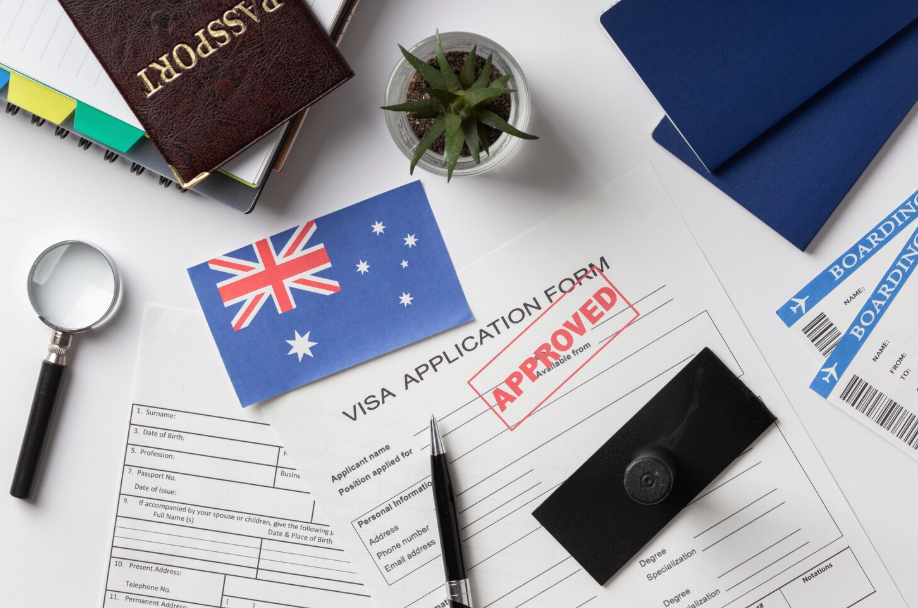
Australia has one of the most structured translation systems in the world. If you are a migrant, student, or new resident, you will deal with document translation at some point. Understanding birth certificate translation in Australia means understanding NAATI, government requirements, and what each agency actually needs from you. Over 7.6 million Australians were born overseas according to the 2021 Census. That is nearly 30% of the population. Translation is not a niche service here. It is mainstream. And yet people still get it wrong. Here is how to get it right.
What Is the Australian Standard for Document Translation?
The standard is NAATI accreditation. The National Accreditation Authority for Translators and Interpreters sets the bar. Translators must pass language tests, demonstrate professional ethics, and maintain their credentials through ongoing development.
Not every bilingual person can become NAATI accredited. The historical pass rate for NAATI certification exams sits around 40 to 50 percent. Half the applicants do not make it through. The people who do are genuinely skilled, not just fluent.
Which Australian Agencies Need a Translated Birth Certificate?
The Department of Home Affairs requires it for visa and citizenship applications. Medicare needs it when registering newborns born overseas. The Australian Passport Office requires it for applications involving foreign birth records. State and territory registries need it when registering foreign marriages or deaths connected to Australian residents.
Each agency has slightly different formatting preferences, but all require a NAATI-certified translator. That is the consistent baseline across the board.
How Much Does a Translation Actually Cost?
For a standard birth certificate, expect to pay between $69 and $150 AUD. More complex documents or rare language pairs cost more. Express turnaround adds roughly $20 to $50 on average.
Price should not be your main filter. Cheap services sometimes skip the certification statement or leave out required details. That one missing line gets your whole application rejected. Paying a bit more for a provider with verified NAATI credentials is worth every cent.
Can You Use an Online Translation Service?
Some online services are NAATI-accredited. Many are not. The difference is enormous. If a service does not display the translator’s NAATI accreditation number on its website or on the final document, that is a red flag.
Legitimate services show you the translator’s full name, accreditation number, language pair, signature, and a formal certification statement. You should be able to verify that number independently on the NAATI website. If you cannot, do not use them.
What Should the Final Translated Document Look Like?
A properly completed translation includes the full translated text, a certification statement, the translator’s name, NAATI accreditation number, signature, date, and contact details. Some agencies also require a physical stamp.
Every field on the original must appear in the translation. If a field is blank in the original, the translation must state that explicitly. Leaving it empty without explanation raises questions.
Keep a personal copy of both the original and the translated document. Government offices occasionally misplace files. Having your own backup means you never pay for a second translation because of someone else’s filing error.

Dexter Harlow lives and breathes celebrity culture. From red carpet moments to the latest viral gossip, he brings Hollywood to your screen with flair and insider insight. Known for his sharp wit and captivating storytelling, Dexter keeps fans hooked, delivering the hottest entertainment news before anyone else.