

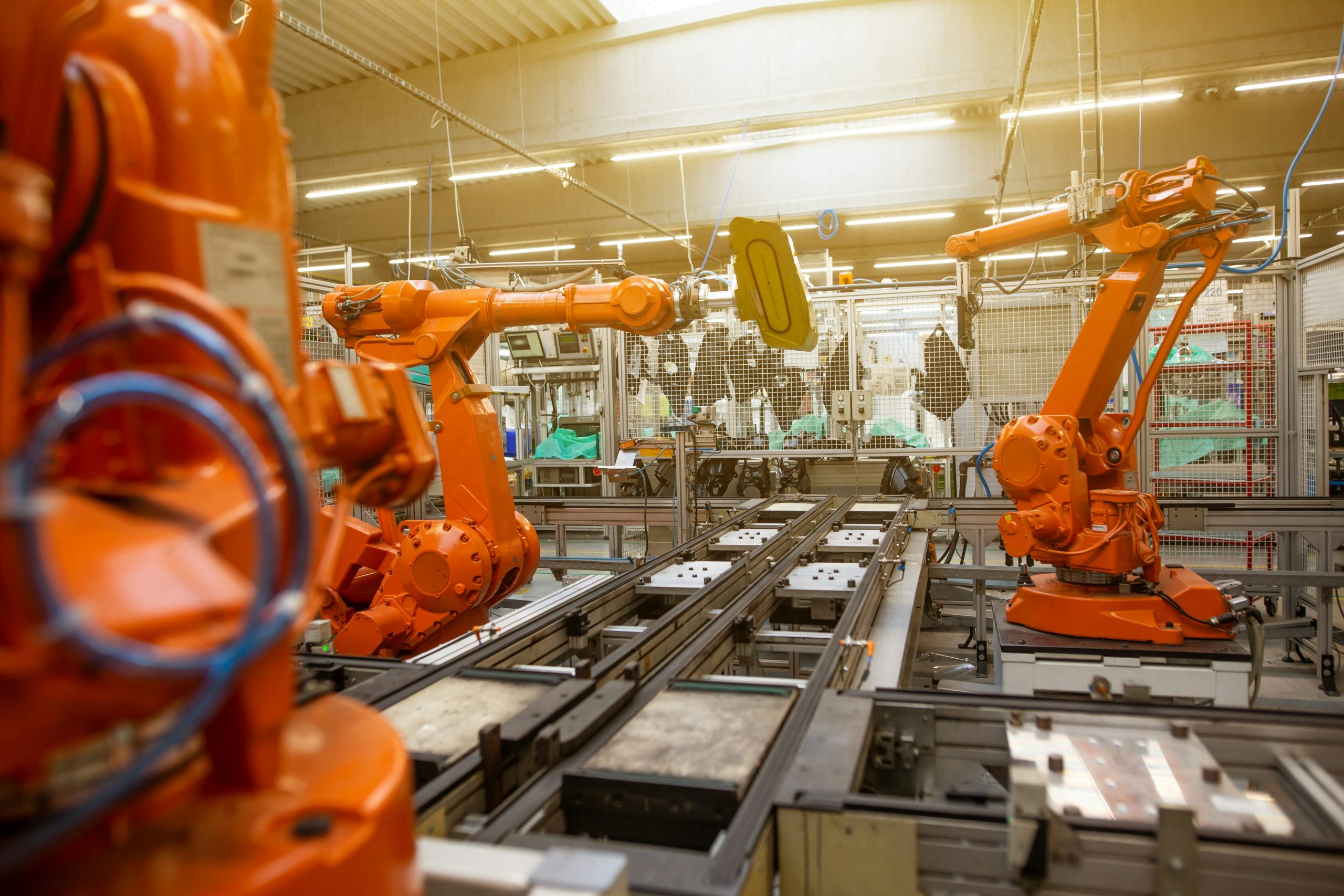
Modern manufacturing facilities operate in an environment defined by speed, complexity, and constant change. Production demands fluctuate, product lifecycles shorten, and customer expectations continue to rise. To keep pace, manufacturers can no longer rely on disconnected systems that operate independently across production, quality, maintenance, and logistics. Instead, success increasingly depends on how well these systems communicate and function as a unified whole.
Production system integration is the foundation of this unified approach. By connecting critical operational technologies and data flows, manufacturers gain the visibility and coordination needed to improve efficiency, reduce risk, and support long term growth. Understanding the most impactful integration points within a facility helps leaders prioritize technology investments that deliver measurable operational value.
Manufacturing Execution and Control System Integration
One of the most important integrations in modern facilities is the connection between manufacturing execution systems and machine level control systems. This integration bridges the gap between planning and execution by translating production schedules and work instructions into actionable tasks on the shop floor. In return, real time machine data flows upward to provide feedback on performance, quality, and completion status.
When execution and control systems operate in sync, manufacturers gain a more accurate picture of production progress. Operators receive clear guidance, while supervisors can respond quickly to issues such as bottlenecks or deviations from expected output. Over time, this integration reduces reliance on manual reporting and enables a more consistent production rhythm across shifts and product lines.
Quality Management and Production Data Integration
Quality control is most effective when it is embedded directly within production processes rather than treated as a separate activity. Integrating quality management systems with production data allows manufacturers to monitor specifications, test results, and compliance metrics in real time. This seamless connection ensures that quality checks align with actual operating conditions on the shop floor.
By correlating quality outcomes with process variables, teams can identify root causes of defects more quickly and implement corrective actions before issues escalate. This integration also supports traceability by maintaining detailed records that link finished products to raw materials, equipment settings, and operator actions. The result is a more proactive approach to quality that strengthens customer confidence and reduces costly rework.
Maintenance Systems Connected to Operational Performance
Maintenance planning is significantly enhanced when asset management systems are integrated with live production data. Rather than relying solely on fixed schedules or historical averages, maintenance teams can base decisions on actual equipment performance and usage patterns. This connection supports condition based and predictive maintenance strategies that minimize unplanned downtime.
When maintenance systems are tied to operational performance, alerts can be triggered by early signs of wear or abnormal behavior. Maintenance activities can then be scheduled during natural production pauses instead of causing unexpected disruptions. Within this integrated framework, an industrial automation software solution often serves as the connective layer that enables reliable communication between equipment, monitoring tools, and maintenance platforms.
Inventory and Material Flow System Integration
Efficient material flow is essential for maintaining production continuity, especially in facilities with high product variation or just in time delivery models. Integrating inventory management systems with production operations ensures that material availability aligns with real time demand on the shop floor. This integration reduces excess inventory while lowering the risk of material shortages that can halt production.
By linking consumption data directly to inventory systems, manufacturers can automate replenishment processes and improve forecasting accuracy. Production planners gain better insight into material usage trends, while procurement teams can respond more quickly to changes in demand. The result is a more responsive supply chain that supports both operational efficiency and financial control.
Enterprise Systems Aligned with Shop Floor Operations
The integration between enterprise level systems and shop floor operations connects daily production activities to broader business goals. Enterprise resource planning platforms manage functions such as finance, procurement, and customer orders, but their value increases significantly when they receive timely input from production systems. This alignment ensures that business decisions are grounded in operational reality.
When enterprise systems reflect actual production performance, organizations gain more accurate cost accounting, order tracking, and profitability analysis. Management teams can assess capacity, evaluate investment opportunities, and respond to market changes with greater confidence. This integration transforms production data into strategic intelligence that supports both short term execution and long term planning.
Conclusion
Production system integration is no longer a technical improvement reserved for advanced facilities. It is a strategic requirement for manufacturers seeking resilience, efficiency, and scalability in a competitive landscape. By connecting execution, quality, maintenance, inventory, and enterprise systems, organizations create a cohesive operational environment where information flows freely and decisions are made with clarity.
As manufacturing facilities continue to evolve, the depth and flexibility of system integrations will play a defining role in operational success. Companies that invest in thoughtful, well aligned integrations position themselves to adapt quickly, optimize performance, and sustain growth as industry demands continue to change.

Dexter Harlow lives and breathes celebrity culture. From red carpet moments to the latest viral gossip, he brings Hollywood to your screen with flair and insider insight. Known for his sharp wit and captivating storytelling, Dexter keeps fans hooked, delivering the hottest entertainment news before anyone else.