

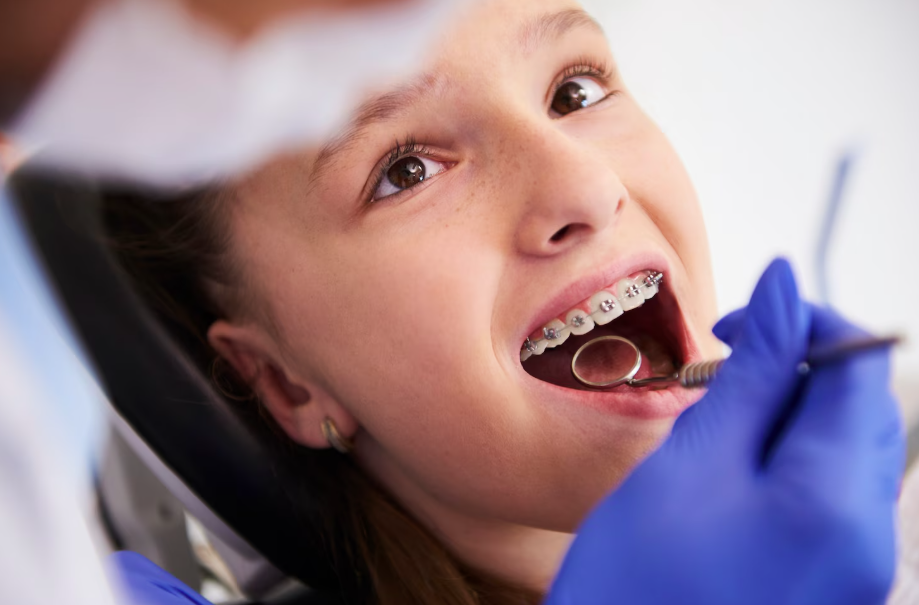
A healthy bite helps teeth meet comfortably during meals, speech, and daily care. When a tooth sits forward, twists sideways, or leaves space, the bite can feel uneven. Metal braces use steady pressure to guide teeth into healthier positions over time.
Traditional braces suit many ages because the system is reliable, visible, and easy for orthodontists to adjust. Getting metal braces Surrey can address common alignment concerns with brackets, wires, and planned checkups. The five issues below explain how this treatment can support a cleaner bite and a smile that feels easier to maintain.
Crowded Teeth In Surrey Smiles
Tooth crowding appears when the jaw has limited room for teeth to sit in a neat arch. Teeth may overlap, rotate, or press against adjacent teeth during growth. Tight spaces can make brushing and flossing awkward, especially around the front teeth.
Fixed braces guide each crowded tooth into a planned position. The wire places gentle force on brackets, and the orthodontist adjusts that force at visits. As the arch opens, floss reaches spaces that once felt cramped.
Gaps Between Front Teeth
A visible gap can form when teeth are small in relation to the jaw or when childhood habits affect spacing. Spaces may appear between front teeth or across several parts of the arch. Food can settle in those spaces, so closure can make daily care feel easier.
Traditional braces help because the wire can guide several teeth at the same time. Small adjustments close spaces in stages, so tooth movement feels measured and controlled. Surrey patients with spacing concerns usually receive a plan shaped around gap size and tooth position.
Overbite That Covers Lower Teeth
An overbite means the upper front teeth cover the lower front teeth too far. A mild overlap is common, while a deep overbite can place extra stress on front teeth during meals. It can also affect how the lips rest when the mouth closes.
Metal braces can guide the front teeth and improve how the bite meets. The orthodontist may add small elastics to support movement between the upper and lower arches. Over time, the teeth settle into contact that feels smoother during meals and speech.
Underbite And Front Tooth Position
An underbite appears when the lower front teeth sit ahead of the upper front teeth. This bite pattern can affect bites into sandwiches, fruit, and other everyday foods. Front teeth may carry extra pressure when their edges meet in this position.
Braces can move tooth positions in a gradual and predictable way. Elastics may help coordinate the upper and lower arches as braces guide movement. Regular appointments allow the orthodontist to adjust pressure and support steady progress.
Crossbite During Everyday Chewing
A crossbite occurs when the upper teeth bite inside the lower teeth. This can affect one side, the front, or only a few teeth. Certain teeth may meet early, which can make chewing feel uneven.
Metal brackets give the orthodontist detailed control over each tooth that needs direction. Wires and elastics help the arches meet in a balanced position. As the bite lines up, daily meals can feel even across both sides.
A straighter smile is only part of braces, since daily bite function matters in daily life.
Getting metal braces in Surrey can help correct crowding, gaps, overbites, underbites, and crossbites through steady orthodontic care. Traditional braces use brackets, wires, and planned adjustments that suit many alignment needs. A personal assessment gives each patient a treatment path shaped around their teeth, bite, and comfort. The result can feel practical, natural, and easier to maintain.

Dexter Harlow lives and breathes celebrity culture. From red carpet moments to the latest viral gossip, he brings Hollywood to your screen with flair and insider insight. Known for his sharp wit and captivating storytelling, Dexter keeps fans hooked, delivering the hottest entertainment news before anyone else.