

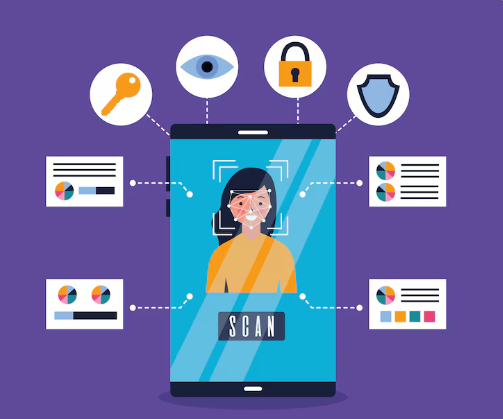
Modern digital applications are now deeply integrated into everyday business operations, customer interactions, financial systems, and cloud-based environments. As organizations increasingly rely on mobile apps, enterprise platforms, and web applications, securing digital ecosystems has become more critical than ever. Cyber threats continue to evolve rapidly, targeting sensitive data, user credentials, operational systems, and business infrastructure across industries. The growing reliance on cloud computing, remote access, and connected technologies has further increased the need for stronger protection strategies within application development and deployment environments. The rising importance of app security highlights how organizations are prioritizing safer digital experiences, stronger infrastructure protection, and long-term cybersecurity resilience.
Building Stronger Digital Protection Through App Security
Modern application environments require layered protection strategies that secure data, user access, infrastructure, and communication systems across increasingly connected digital platforms.
Application security strategies are designed to reduce vulnerabilities, strengthen operational stability, and improve protection against cyber threats targeting enterprise systems and customer-facing applications.
- Secure Coding Practices and Development Standards
Secure coding remains one of the most important foundations of modern application protection. Developers implement standardized coding practices to reduce vulnerabilities such as SQL injection, cross-site scripting, and insecure authentication. Security-focused development helps organizations build safer applications from the beginning rather than relying solely on post-deployment protection measures. Regular code reviews, automated testing, and vulnerability scanning also improve software reliability and support safer application performance across diverse digital environments.
- Identity and Access Management Controls
Managing user identities and access permissions plays a major role in securing applications against unauthorized activity. Modern security systems use multi-factor authentication, role-based access controls, and identity verification technologies to limit unnecessary access to sensitive systems and information. Strong access management reduces the likelihood of insider threats, compromised accounts, and unauthorized data exposure. Organizations also improve visibility into user activities, enabling better monitoring and faster responses to suspicious login attempts or abnormal access behavior.
- Data Encryption and Secure Communication Channels
Applications frequently process sensitive customer information, financial records, and operational data that require strong encryption standards during storage and transmission. Encryption technologies protect information from unauthorized interception and reduce exposure during cyberattacks. Secure communication protocols also help prevent data breaches within connected digital ecosystems. Businesses implementing advanced encryption practices strengthen user trust while supporting compliance with cybersecurity regulations and data privacy standards across multiple industries.
Advancing Secure Digital Transformation Through Smart Protection Measures
As organizations expand digital operations, cybersecurity strategies continue evolving to support operational efficiency, compliance, and long-term risk management. Modern businesses are increasingly integrating advanced protection technologies into enterprise applications to strengthen resilience against emerging cyber threats and operational vulnerabilities, strengthening the growing importance of app security across modern digital ecosystems.
- Automated Threat Detection and Response
Artificial intelligence and machine learning technologies now play a major role in identifying abnormal system behavior and potential cyber threats. Automated detection systems analyze user activities, network traffic, and application performance to quickly detect suspicious patterns. Faster threat identification enables organizations to reduce response times and limit operational disruptions caused by cyber incidents. Intelligent monitoring systems also support continuous improvement in security operations through predictive analytics and real-time risk assessments.
- Security Testing Throughout Application Lifecycles
Modern development environments integrate security testing into every stage of the software lifecycle. Businesses conduct penetration testing, vulnerability assessments, and security audits during development and deployment processes to minimize risks before applications go live. This proactive approach improves application reliability while reducing costly security incidents after deployment. Continuous testing also supports regulatory compliance and helps organizations maintain higher standards of operational protection within dynamic digital ecosystems.
- Strengthening Mobile Application Security
Mobile applications continue to handle increasing volumes of customer data, financial transactions, and business communication. Security strategies for mobile platforms include secure authentication, encrypted communication, application shielding, and runtime protection systems. These measures reduce exposure to mobile-specific threats such as unauthorized access, malware, and insecure device environments. Businesses investing in mobile security strengthen customer confidence while improving the overall integrity of digital service platforms.
Future-Focused Strategies Driving Long-Term Cybersecurity Resilience
Businesses increasingly recognize that application protection requires continuous improvement, proactive planning, and adaptive security strategies within evolving digital ecosystems.
Long-term cybersecurity resilience depends on combining technology innovation, operational discipline, and structured governance frameworks that support secure digital transformation initiatives.
- Risk-Based Security Management Approaches
Organizations now prioritize risk-based security planning that focuses on identifying the most critical operational vulnerabilities and business risks. Security teams evaluate threat exposure, operational impact, and system dependencies to allocate protection resources more effectively. Risk-based frameworks improve decision-making while helping organizations strengthen protection strategies according to business priorities and evolving cybersecurity challenges.
- Business Continuity and Incident Recovery Planning
Cybersecurity strategies now extend beyond prevention to include recovery and operational continuity planning. Businesses develop incident response frameworks, backup systems, disaster recovery procedures, and communication protocols that minimize disruptions during cyber incidents. Effective recovery planning strengthens resilience while enabling organizations to restore operations more efficiently after security breaches or infrastructure failures.
- Real-Time Security Analytics and Reporting
Modern cybersecurity operations depend heavily on analytics platforms that provide visibility into application performance, threat activity, and operational risks. Real-time reporting enables faster decision-making while improving incident response efficiency. Security analytics also support compliance management, operational transparency, and the development of long-term cybersecurity strategies across enterprise environments.
Conclusion
Modern digital ecosystems require organizations to prioritize stronger cybersecurity frameworks that protect applications, customer information, and operational infrastructure from evolving cyber threats. Advanced protection strategies involving automation, secure development, encryption, cloud security, and continuous monitoring now play a central role in maintaining safer digital environments. The growing focus on app security reflects the increasing importance of proactive cybersecurity planning, operational resilience, and secure digital transformation across modern enterprises.
Organizations today are increasingly prioritizing advanced cybersecurity frameworks and digital protection strategies to safeguard their applications, strengthen operational resilience, and enable secure digital transformation. In this evolving landscape, companies like Doverunner play a key role by offering solutions that help businesses achieve these critical security and performance goals. Through intelligent security strategies, modern infrastructure protection, and proactive risk management, they help organizations maintain safer, more reliable digital environments across evolving technology ecosystems.

Dexter Harlow lives and breathes celebrity culture. From red carpet moments to the latest viral gossip, he brings Hollywood to your screen with flair and insider insight. Known for his sharp wit and captivating storytelling, Dexter keeps fans hooked, delivering the hottest entertainment news before anyone else.