

Ensuring safety while cycling not only protects riders but also creates a more harmonious road environment for everyone. Whether you’re a seasoned cyclist or a motorist sharing the streets, understanding fundamental safety principles is vital. Bicycle accidents can have serious and lasting consequences, making it crucial to stay informed about best practices and local regulations. If you are ever involved in a collision, consulting a bicycle accident attorney in Hialeah can be an important step in protecting your rights and navigating the aftermath.
Cyclist safety depends on more than just skillful riding. By following traffic laws, using proper equipment, and being vigilant, both cyclists and drivers can help reduce the risk of accidents. This article outlines actionable measures to keep everyone safe and highlights what every road user should know.
Wear a Properly Fitted Helmet
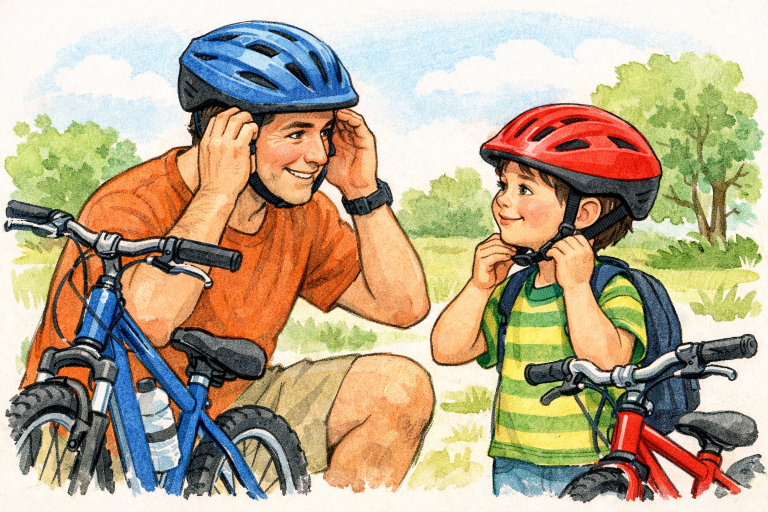
Helmets are among the most effective tools for preventing severe head injuries in bike accidents. Make sure your helmet fits snugly and sits level on your head, not tilted back or forward. Check that it meets recognized safety standards such as those set by the Consumer Product Safety Commission (CPSC). According to the National Highway Traffic Safety Administration, wearing a helmet can significantly reduce the likelihood and severity of injuries in a crash.
It’s also important to periodically inspect your helmet for any cracks or compromised straps, especially after any impact. Even a helmet that appears undamaged may lose some protective capabilities with age or repeated minor knocks. Replace helmets at least every 5 years or immediately after a significant crash to ensure optimal protection. Remember, children should learn about helmet safety early, setting good habits that last a lifetime. Encouraging kids to pick helmets they like can increase compliance without sacrificing safety. Schools and community groups often hold helmet-fitting clinics; these are excellent opportunities for families to get personalized advice and ensure every rider benefits from a properly adjusted helmet.
Obey Traffic Laws and Signals
Bicyclists are required to adhere to the same rules of the road as motorists. This includes stopping at traffic lights and stop signs, yielding where necessary, and clearly signaling before turning. Predictability is key; when you follow traffic laws, your actions are clear to drivers, greatly reducing the risk of collisions. This approach fosters mutual respect and safer interactions between cyclists and motorists.
Staying within marked traffic lanes and refraining from weaving between cars also makes your movements easier for other road users to anticipate. Remember to use hand signals to indicate turns or stops, and make a habit of checking behind you before making lane changes or turns. Abiding by the rules isn’t just a safety precaution; it’s also required by law in most municipalities, and violations can result in tickets or fines. Take the time to learn local cycling ordinances, as some cities may have unique rules concerning bike operation, lane usage, and required equipment.
Enhance Visibility with the Right Equipment
To increase visibility, use a white front light and a red rear light on your bicycle when cycling in low-light or nighttime conditions. Wear bright-colored or reflective clothing, and add reflective tape to your bike and accessories. Making yourself noticeable is especially crucial at dawn, dusk, or during inclement weather.
Equipping your bag or backpack with reflective stickers to respond to changes swiftly and attaching reflective stickers to your wheels can further improve your visibility from multiple angles. Consider investing in additional safety accessories, such as flashing LED bands or helmets with integrated lights. Visible riders are less likely to be overlooked by motorists, especially when passing through shadowed intersections or amid heavy traffic. Even during daylight, bright, reflective clothing can catch a driver’s eye, giving you precious moments on the road. Small strategic upgrades can have a large impact on your overall safety while cycling.
Stay Alert and Avoid Distractions
While cycling, keep your concentration fully on the road. Listening to music with headphones or responding to messages can distract you from surrounding hazards such as potholes, passing cars, or pedestrians. Maintaining your focus allows you to swiftly react to changes and helps prevent accidents. For more information on distracted riding and overall road safety, consult the National Highway Traffic Safety Administration.
Develop the habit of consistently scanning the road ahead and to your sides for potential dangers such as loose gravel, construction debris, or sudden changes in traffic flow. If you must check your phone for navigation or messages, stop safely away from traffic before doing so. Staying fully engaged allows you to anticipate and avoid risky situations, and is paramount in high-traffic or unfamiliar areas where surprises are more common. Proper traffic control and road management in busy urban areas can also help reduce risks for cyclists and drivers alike, especially in high-traffic locations such as https://trafficflowtm.co.uk/location/nottingham/.
Regular Bicycle Maintenance
Before every ride, check essential bike components, including brakes, tires, and gears, to ensure they are working properly. Look for signs of wear and tear, inflate your tires to the recommended pressure, and make sure the chain is lubricated. A well-maintained bike is less likely to fail unexpectedly, reducing your risk of accidents caused by mechanical issues.
Consider scheduling seasonal tune-ups at a local bike shop, where professionals can spot and remedy subtle issues you might overlook. Keeping your bike clean helps prevent rust and other problems caused by dirt buildup, extending its lifespan. Don’t forget to check that your seat and handlebars are securely fastened and at the correct height for your size, as an improperly fitted bike can make riding more difficult and less safe.
Use Designated Bike Lanes and Paths
Whenever possible, ride in marked bike lanes or on dedicated paths. These spaces are designed to provide separation from car traffic and are generally safer for cyclists. If a designated lane is not available, ride as far to the right as practical, but stay alert for parked cars and doors that may open into your path. Keep an eye on road conditions and avoid weaving between parked vehicles.
Pay attention to signage indicating shared-use paths or bike lane closures and always yield to pedestrians. When riding in mixed-use environments, reduce your speed and use a bell or vocal signal to alert others of your approach. Respecting guidelines for shared spaces not only keeps you safe but also fosters positive interactions with other community members.
Be Cautious at Intersections
Intersections are frequent sites of accidents between cars and bicycles. Approach each intersection with heightened attention, even if you have the right of way. Establish eye contact with nearby drivers to ensure they see you and anticipate your movements. Be especially careful with vehicles turning right, as drivers may not always check their blind spots for cyclists.
If a vehicle is stopped at a red light or stop sign, avoid waiting directly in its blind spot. Position yourself where you are clearly visible, ideally at the front of the lane if traffic conditions allow. When crossing large intersections, be alert for hurried lane changes or red-light runners. Anticipating the possible actions of distracted or impatient drivers reduces your vulnerability as you cross.
Educate Yourself and Share Bicycle Safety Knowledge
Staying up to date on local traffic laws and safe cycling practices benefits every road user. Participate in workshops or community outreach programs when available, and teach friends and family about cycling safety. Promoting safety knowledge can help build a culture of awareness and respect that benefits both cyclists and motorists alike.
Local advocacy groups and clubs often offer cycling clinics for riders of all experience levels, covering topics such as emergency maneuvers, basic repairs, and the latest safety technologies. By equipping yourself with up-to-date information and sharing it with others, you help foster a community where all road users, cyclists, pedestrians, and drivers work together to keep roads safer for everyone.
Following these essential safety tips can transform your cycling experience into a safer and more enjoyable activity. By sharing roads responsibly and staying prepared, cyclists and motorists can work together to make every journey safer for everyone involved.

Dexter Harlow lives and breathes celebrity culture. From red carpet moments to the latest viral gossip, he brings Hollywood to your screen with flair and insider insight. Known for his sharp wit and captivating storytelling, Dexter keeps fans hooked, delivering the hottest entertainment news before anyone else.