

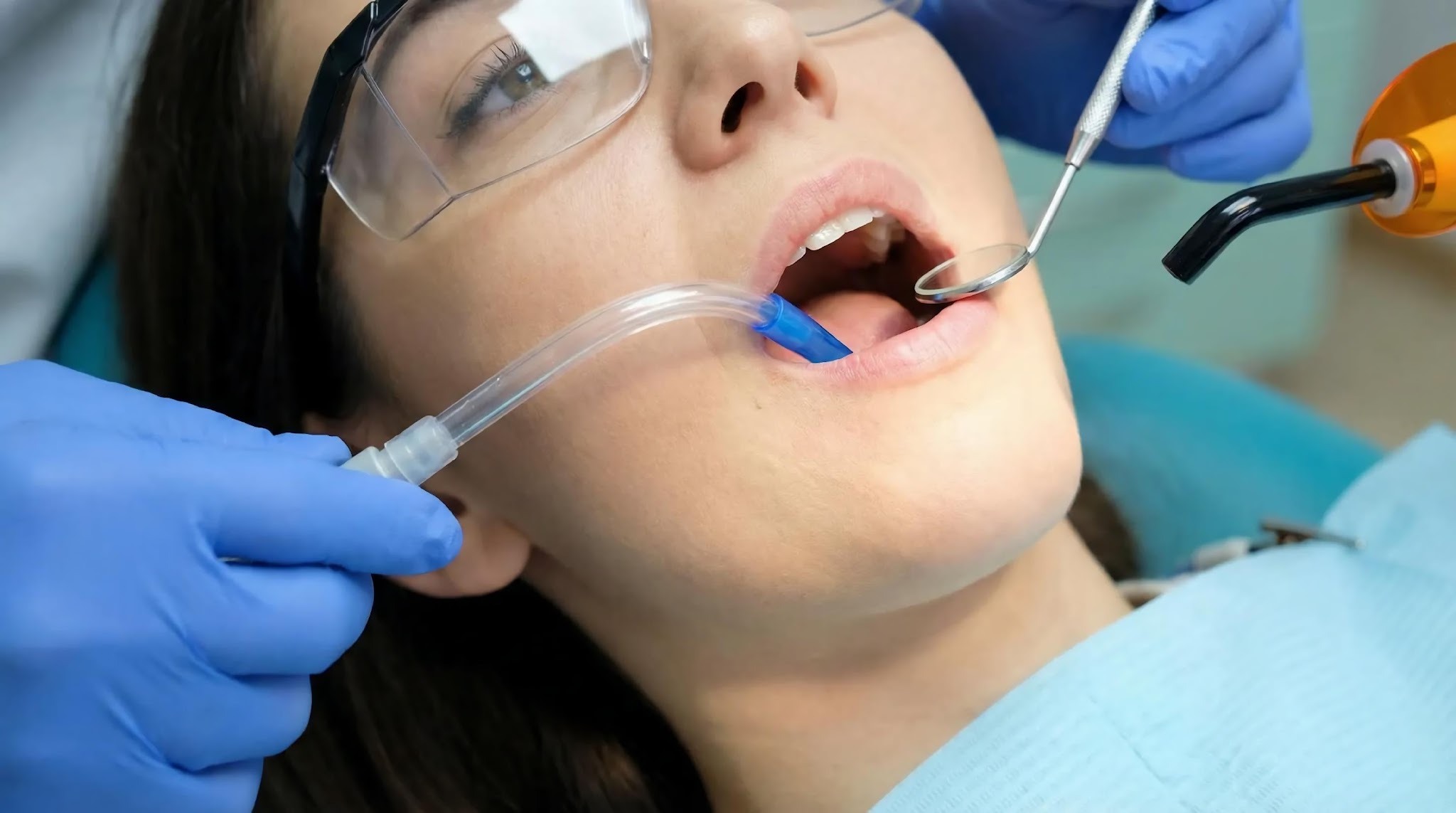
Getting approved for financing is already stressful for many practice owners. Add bad credit into the mix and the process can start feeling a little discouraging, especially when lenders begin asking for documents you have not looked at in months. Still, qualifying for dental care loans with poor credit is not impossible. Difficult, yes. Impossible, not really. ‘It’s all in the presentation of the application, how financially stable the practice appears and whether or not lenders feel the business is able to support repayment over time,’ they say. Credit scores matter, obviously, but they are usually not the only thing being evaluated. In some cases they are not even the biggest concern. Lenders financing healthcare businesses tend to look at the full picture, though sometimes unevenly depending on the institution.
What Lenders Look At
When reviewing dental loan requests, lenders usually consider the financial strength of an applicant, not the perfection of the credit. Lenders may be hesitant with a poor credit history, but a steady income and steady operations can help to mitigate some of that risk. Things lenders usually pay attention to include:
- Monthly business revenue
- Cash flow consistency
- Existing debt obligations
- Time the practice has been operating
- Tax filings and bookkeeping quality
- Available collateral
- Patient retention trends
That last one surprises some dentists. But lenders often want reassurance that patients are likely to stay with the practice long term because stable patient flow usually means stable revenue. If a practice has strong collections and decent cash reserves, lenders may become more flexible about credit issues that happened several years ago. Not always. But often enough to matter.
Credit Problems
Bad credit is mainly an issue for dental care loans because lenders use it as a predictor of your repayment likelihood. Late payments, defaults, collections, or high credit utilization ratios raise concerns immediately. At the same time, many dentists carry debt from school, startup costs, or earlier practice expansion attempts. Healthcare lending is a little different from ordinary consumer lending in that regard. Large debt balances alone do not automatically kill an application. The bigger problem is usually unmanaged debt. Before applying for loans for dental care, it helps to review credit reports carefully. Errors are more common than people think, especially with older accounts or duplicate reporting. Even a modest score improvement can change available financing terms quite a bit. And honestly, some lenders are more forgiving than others. A few specialize specifically in borrowers with imperfect credit profiles.
Strengthening the File
Improving approval odds for dental care loans usually comes down to reducing perceived risk. That sounds clinical, but it is basically what lenders are doing behind the scenes. A few practical steps tend to help:
- Pay down revolving debt where possible
- Organize financial statements thoroughly
- Show steady practice revenue trends
- Prepare updated tax returns
- Build a realistic business plan
- Limit unnecessary spending before applying
- Consider requesting a smaller loan amount initially
The smaller-loan strategy sometimes works surprisingly well. A lender unwilling to approve a large expansion loan may still approve financing for equipment upgrades or operational improvements first, especially if the practice performs consistently afterward. That can create a stronger borrowing history later on. A gradual approach, more or less.
Business Story
Applications for dental care loans are partly numerical and partly narrative. Numbers matter, obviously, but lenders also want a believable explanation behind them. If credit issues resulted from temporary problems – illness, pandemic slowdowns, unexpected construction delays, partnership disputes – explaining that context professionally can help. Especially if the practice has stabilized since then. Some dentists make the mistake of avoiding explanations entirely because they assume lenders will automatically reject them anyway. Usually better to address the issue directly instead of leaving lenders guessing. A clear business plan also helps more than people realize. Not a fifty-page corporate presentation. Just something practical showing expected revenue, operating costs, repayment strategy, and how the financing will improve the practice. Simple tends to work better here.
Alternative Routes
Traditional bank financing is not the only option available for dentists struggling with bad credit. Alternative funding sources for loans for dental care have become more common during the last several years, though the interest rates can vary quite a bit. Sometimes sharply. Possible alternatives include:
- Equipment leasing programs
- Peer-to-peer lending platforms
- Medical credit financing companies
- Microloan programs
- Revenue-based financing
- Private healthcare lenders
Equipment leasing, in particular, tends to attract dentists who need updated technology but cannot qualify for large conventional loans immediately. Leasing preserves working capital too, which matters more than people expect once operating expenses start stacking together. Some practices use dental credit financing for specific needs like imaging systems, treatment chairs, or digital workflow upgrades rather than taking on one massive loan all at once. That staggered financing approach probably feels less risky to many lenders as well.
Collateral Questions
Collateral becomes extremely important when applying for dental care loans with lower credit scores. Lenders want reassurance that there is recoverable value attached to the loan in case repayment problems occur later. Dental equipment, office property, savings accounts, or even personal real estate can sometimes be used as collateral. Of course, that creates risk for the borrower too. Using collateral may improve approval odds and possibly reduce interest rates, but defaulting on secured financing can lead to asset seizure. That part gets glossed over occasionally during optimistic financing discussions. And dental practices already operate with enough stress. Still, secured lending often opens doors that unsecured financing will not, especially for dentists rebuilding their financial profile.
Financial Stability
One thing lenders consistently respect is organized financial management. Messy bookkeeping tends to hurt applications faster than mediocre credit sometimes. If financial statements are incomplete, inconsistent, or outdated, lenders may assume the business itself is unstable even when revenue is decent. Improving the financial profile of a practice before applying for dental care loans can make a noticeable difference. That may involve:
- Building emergency cash reserves
- Reducing unnecessary operational costs
- Increasing collections efficiency
- Expanding higher-margin services
- Keeping accounting records updated monthly
Small operational improvements add credibility over time. Lenders notice trends, not just snapshots. And relationships matter too, a little more than many borrowers think. Establishing communication with local banks or healthcare lenders before urgently needing money can sometimes improve future financing conversations.
Conclusion
Qualifying for dental care loans with bad credit takes preparation, patience, and a realistic understanding of how lenders evaluate risk. Strong revenue, organized financial records, collateral, and thoughtful planning can all help offset weaker credit scores. Dentists exploring loans for dental care should focus not only on improving credit but also on strengthening the overall financial health of the practice itself. In many cases, lenders approving dental credit financing are looking for stability more than perfection. That distinction matters. Probably more than the credit score alone.

Dexter Harlow lives and breathes celebrity culture. From red carpet moments to the latest viral gossip, he brings Hollywood to your screen with flair and insider insight. Known for his sharp wit and captivating storytelling, Dexter keeps fans hooked, delivering the hottest entertainment news before anyone else.