

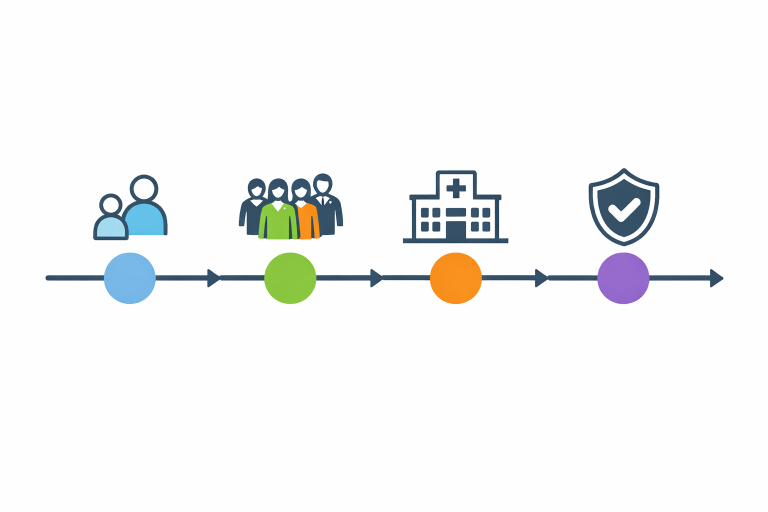
Clinical trials represent the backbone of modern medical advancements. They are meticulously designed studies that help scientists determine whether new treatments, drugs, or interventions are safe and effective for human use. The steps in a clinical trial outline a structured journey that prospective participants will experience, from initial screening to long-term follow-up. For anyone considering joining a clinical study, understanding the fundamental phases is crucial to making a confident, informed decision.
Clinical trials do more than just introduce new medicines. They also evaluate therapies for a wide variety of medical conditions, ranging from rare diseases to common chronic illnesses. Whether you are a patient, a caregiver, or simply interested in how health innovations move from the lab to the doctor’s office, learning about the structure of these trials helps demystify the process. It also highlights the rigorous safety protocols that protect volunteers every step of the way.
For people ready to take part in a clinical trial, knowing the distinct goals of each phase means participants can ask the right questions and set informed expectations. Every phase serves a critical function, combining to ensure that when new therapies reach the public, they have been thoroughly vetted.
Many clinical trials are overseen not just by individual researchers but also by regulatory agencies that enforce ethical standards and protect volunteers. Both national and international frameworks are designed to keep the patient’s well-being at the center of every trial.
Phases of Clinical Trials
Clinical trials are commonly divided into four key phases. Each phase is built on the results and knowledge gained from the previous stage, together forming a continuum that spans from early safety studies to post-approval monitoring.
Phase I: Assessing Safety in Healthy Volunteers
The first phase of a clinical trial marks the transition of a new treatment from laboratory and animal testing to evaluation in humans. In Phase I, a small group (typically 20 to 100 healthy volunteers or sometimes patients with the disease) receives the investigational drug or intervention. The main priority in this phase is to determine the highest dose humans can take without significant side effects and to profile the medication’s absorption, metabolism, and excretion. These studies usually last several months. The information gathered here sets the stage for future phases, with a strong focus on identifying and managing any harmful reactions early. More details on this stage can be found in trusted sources like the Healthline resource on clinical trials.
Phase II: Evaluating Efficacy and Short-Term Safety
Once a treatment passes Phase I safely, it advances to Phase II, where the main objective shifts to effectiveness. During this phase, several hundred participants with the medical condition being targeted by the new intervention are enrolled. Researchers pay close attention to the treatment’s desired effects while continuing to collect safety data. Studies in this stage often last anywhere from several months to two years. These trials are also where the optimal dose is further refined. The insights from Phase II are critical because they determine whether the treatment is effective enough to move forward to larger, more definitive studies.
Phase III: Confirmation of Results in Larger Populations
In Phase III, the participant pool expands dramatically, often enrolling 1,000 to 3,000 or more individuals. This phase confirms the treatment’s effectiveness, monitors for rare or long-term side effects, and compares the intervention against standard or equivalent therapies. Phase III trials are generally randomized and frequently double-blind, which means neither the participant nor the researcher knows whether the active treatment or a placebo is being administered. The duration is longer, sometimes up to several years, reflecting the need for comprehensive data. Successful results from Phase III trials are often required for regulatory approval before a treatment can reach the wider market. Further discussion of this process can be found in the American Cancer Society’s overview of clinical trial phases.
Phase IV: Post-Marketing Surveillance
Once a treatment receives regulatory approval, post-marketing studies or Phase IV trials begin. These monitor the treatment’s longer-term performance in even larger and more diverse populations in real-world settings. Thousands of patients may be involved, and new data about safety, benefits, or rare side effects may emerge over time. Phase IV helps ensure ongoing safety surveillance and can result in updated recommendations or even withdrawal of a treatment from the market if risks outweigh the benefits.
Participant Journey Throughout a Clinical Trial
Enrolling in a clinical trial involves several structured and transparent steps:
- Screening: Prospective volunteers are evaluated against specific criteria to ensure they are appropriate candidates for the study.
- Informed Consent: Participants receive clear explanations about the aim, procedures, potential risks, and expected benefits of the study. They have the opportunity to ask questions before signing the agreement forms.
- Randomization: In many trials, computer algorithms assign participants to different groups (such as treatment or placebo) to prevent selection bias.
- Blinding: For some studies, neither the investigators nor volunteers know which intervention is being administered, reducing the likelihood of biased observations.
Safety Monitoring and Regulatory Oversight
Protecting participants is the highest priority in clinical trials. When unexpected side effects arise, procedures are in place to address them quickly and report findings to regulatory authorities. Oversight by organizations such as the FDA and institutional review boards ensures trials remain ethical and protective of volunteers’ rights and safety. These measures also help maintain the integrity and credibility of trial results.
Conclusion
Gaining knowledge of the phases and structure of clinical trials is key for anyone thinking about joining a study or simply interested in medical research. Each trial phase builds on lessons from those that came before, ensuring that new treatments are evaluated as safely and effectively as possible. By understanding this process, individuals can make well-informed choices about participation and play an important role in the advancement of healthcare for all.
Safety and efficacy monitoring extends beyond the lab and into community settings where patient well-being is monitored daily. While researchers focus on systemic data, individuals often look for supportive care that complements their participation in broader medical studies. Options for specialized support, such as IV therapy in Wall Township NJ, allow participants to maintain their hydration and nutrient levels during the rigorous testing periods. This integrated approach to health ensures that the body remains resilient while navigating the various stages of clinical research. By prioritizing holistic maintenance, patients can better manage the potential physical demands and side effects associated with newly developed protocols and medical interventions.

Dexter Harlow lives and breathes celebrity culture. From red carpet moments to the latest viral gossip, he brings Hollywood to your screen with flair and insider insight. Known for his sharp wit and captivating storytelling, Dexter keeps fans hooked, delivering the hottest entertainment news before anyone else.