

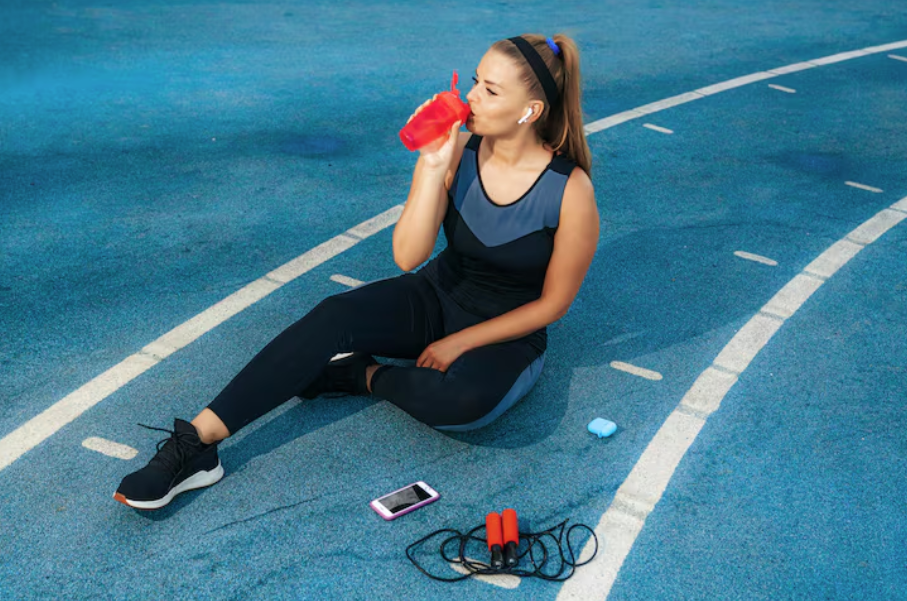
Recovery from substance use is usually framed around therapy, medication, and support groups. Those pieces matter, but they’re not the whole picture. People in recovery are also rebuilding sleep, appetite, mood regulation, and a body that’s been through a lot. Some of that rebuilding happens in conversations. A surprising amount happens through movement.
For a while, treatment programs treated exercise as an extra. Something nice if there was time and equipment. That view has shifted. Researchers, clinicians, and people in recovery themselves have noted how often physical activity ends up doing real work alongside the clinical side of treatment. The body and brain stabilize together, not separately.
This is where programs like the Arms Acres fitness and recreation program come in. Built into the treatment day rather than tacked on, structured fitness and recreation give patients a way to move, regulate stress, and reconnect with their bodies during a period when both feel unfamiliar. It’s not the only thing that matters in recovery, but for many people, it ends up being one of the more grounding parts.
Recovery Is Physical Too
Long-term substance use changes the body in ways that don’t always get talked about. Sleep patterns become disrupted. Heart rate and blood pressure can fluctuate. Appetite, digestion, and energy regulation can take months to settle. Even after detox, the nervous system tends to stay in a state of low-grade overactivation for a while.
Light to moderate movement can help that system find its baseline again. Walking, swimming, cycling, basic strength work. The kind of activity that gets the heart rate up without overwhelming a body still finding its footing.
The point isn’t athletic performance. It’s giving the body a reason to recalibrate.
What the Research Suggests
The National Institute on Drug Abuse treats exercise as a promising complement to substance use treatment. Evidence is strongest in combination with behavioral therapy, where physical activity appears to support attention, mood, and craving reduction in some populations. It’s not a standalone treatment, and researchers are careful to frame it as supportive rather than curative.
Some of the mechanisms are reasonably well understood. Aerobic activity influences dopamine and serotonin pathways that substance use has disrupted. Some research suggests physical activity may support neuroplasticity and cognitive recovery, which matters when someone is actively trying to build a different life.
Other effects are simpler. People who move tend to sleep better. Better sleep helps mood. Better mood helps decision-making. The effects are usually incremental rather than dramatic, but they tend to compound over time.
Recreation Is Doing Its Own Work
The fitness side gets most of the attention, but the recreation side deserves more credit than it usually gets. Activities like volleyball, swimming, art, hiking, or simple group games serve a different function than a workout. They give people something to do that isn’t drinking, using, or thinking about drinking or using.
That sounds basic. It isn’t. A lot of people entering treatment haven’t had unstructured fun in a long time. Recreation rebuilds that capacity slowly. It also creates positive associations with sober time, which is hard to manufacture any other way.
Group activities pull in another layer. Doing something physical with other people creates connection without forcing the kind of emotional disclosure that group therapy requires. Some of the more useful recovery conversations happen in the gap between activities, not during structured talk sessions.
The Mental Health Connection
Mayo Clinic treats physical activity as one of the more practical tools for stress management, citing improvements in mood, sleep, and self-confidence as consistent findings across the research. For people in recovery, those three are often the first to go and the slowest to come back.
Inside a recovery setting, exercise and mental health support each other. A morning walk supports mood regulation, which supports a difficult afternoon conversation with a counselor, which supports a calmer evening, which supports better sleep. In practice, those effects tend to reinforce each other.
What Activities Tend to Work
There isn’t one right protocol. Programs lean different ways, and individual response varies.
Common elements that show up across well-designed programs:
- Aerobic activity a few times a week, often starting modestly and progressing as tolerated
- Some form of strength training, which builds both physical capacity and a sense of progress
- Group-based recreation that emphasizes participation over competition
- Outdoor activities where conditions allow
- Creative or expressive components like art, music, or movement-based therapy
- Time built in for rest, since under-recovery is a real risk
The choice of activity matters less than the consistency of it. People who find something they actually enjoy tend to keep doing it after treatment ends, which is where most of the long-term benefit lives.
What to Watch For
Two cautions tend to come up.
The first is over-exercising. People sometimes substitute one compulsive pattern for another, and physical activity can become the new outlet if it isn’t monitored. Good programs build in rest, conversation about motivation, and check-ins about why someone is pushing themselves.
The second is medical clearance. Bodies coming off long-term substance use can have cardiovascular issues, electrolyte imbalances, or musculoskeletal problems that aren’t obvious from the outside. Most legitimate programs screen for this before increasing activity intensity.
The Quieter Benefit
There’s something else that’s harder to put into a research paper. People in recovery often describe physical activity as the first time in a long while they felt good for a reason they could name. Not because of a substance. Because they did a thing, and their body responded.
That feeling matters. Recovery is partly about reassembling a sense of self that didn’t depend on use, and bodies are where that reassembly often starts. A walk completed. A weight lifted. A swim across the pool. Small evidence that something works, accumulating over weeks.
Fitness and recreation don’t replace the clinical side of treatment. They sit alongside it. For programs that take this layer seriously, the effects tend to show up in places that matter outside the treatment center: steadier sleep, better mood regulation, stronger social ties, and more confidence in the body that has to carry recovery forward.
For anyone weighing treatment options, the presence of a structured fitness and recreation component is worth asking about. It isn’t filler. For many people, it’s part of what helps the rest of treatment hold.
Dexter Harlow lives and breathes celebrity culture. From red carpet moments to the latest viral gossip, he brings Hollywood to your screen with flair and insider insight. Known for his sharp wit and captivating storytelling, Dexter keeps fans hooked, delivering the hottest entertainment news before anyone else.