

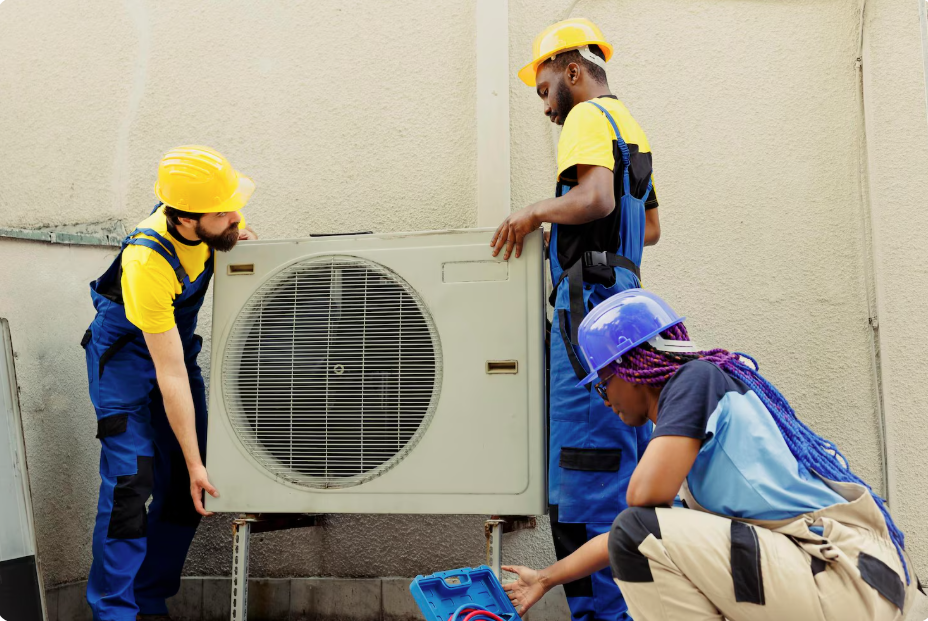
Air conditioning systems play a central role in maintaining comfort, especially during periods of high heat and humidity. When these systems begin to malfunction, the effects are often gradual, starting with reduced cooling efficiency and progressing into more noticeable breakdowns. Many of these issues are not sudden but develop over time due to neglect or irregular maintenance. Understanding how routine care helps prevent common air conditioning problems can save time and energy while extending the system’s lifespan.
This discussion highlights how regular HVAC maintenance supports reliable performance and reduces avoidable disruptions to everyday indoor comfort in residential and commercial spaces.
Key Issues Behind AC Malfunctions
- Reduced Cooling Efficiency and Airflow Decline
One of the earliest signs of air conditioning trouble is reduced cooling efficiency combined with weak airflow throughout indoor spaces. This often develops gradually when filters become clogged, evaporator coils accumulate dust, or ductwork becomes blocked, restricting the proper circulation of conditioned air throughout the rooms. Routine HVAC servicing helps keep these components clean and ensures steady airflow, preventing uneven cooling between different areas of a home or building. Without periodic maintenance, strain on the system increases, forcing it to work harder and reducing its ability to maintain consistent indoor comfort levels over time.
Keeping up with routine inspection schedules allows technicians to identify early airflow restrictions, refrigerant issues, and component wear before they develop into more serious performance problems that reduce comfort and increase energy consumption during daily operation. This proactive approach also supports system reliability and extends equipment lifespan while maintaining stable temperature control through seasonal weather changes across various indoor and outdoor environments.
- Refrigerant Leaks and System Pressure Imbalance
Refrigerant leaks are another common issue that can quietly affect system performance, often going unnoticed until cooling capacity drops significantly or ice begins forming on internal components of the air conditioning unit. When refrigerant levels fall, the system struggles to maintain pressure balance, leading to longer cooling cycles and increased strain on compressors and related mechanical parts. Routine inspections can help detect small leaks early, allowing corrective action before larger failures occur that may require extensive repair work.
Maintaining stable refrigerant levels also supports overall energy efficiency, since low-pressure conditions cause equipment to run longer and consume more electricity to reach the desired indoor temperature. Professional maintenance programs, such as HVAC and Air Conditioning Services in Carlsbad, often focus on identifying hidden leak points and restoring proper pressure balance throughout the system. Consistent monitoring prevents long-term damage to compressors, helps maintain steady performance across varying seasonal demands, reduces unexpected system shutdowns during peak usage periods, and improves overall stability.
- Thermostat Malfunctions and Sensor Errors
Thermostat issues often cause confusion in air conditioning performance because they directly affect how the system reads and responds to changes in indoor temperature. When sensors become misaligned or dirty, they may send incorrect signals, causing the system to cycle on and off irregularly. This leads to uneven temperatures, wasted energy, and unnecessary strain on mechanical components over time. Routine system checks help ensure that thermostats remain properly calibrated, allowing for accurate temperature readings and smoother operation across different environmental conditions inside a building.
Preventing sensor errors also reduces unnecessary energy consumption by avoiding repeated cooling cycles that are triggered by inaccurate temperature readings, which often lead to discomfort and uneven indoor climate distribution throughout living and working spaces when left unchecked over extended periods of system operation and fluctuating weather conditions affecting overall efficiency and long-term reliability of air conditioning equipment used in residential and commercial environments that require consistent maintenance attention for optimal performance and comfort balance.
- Clogged Condensate Drains and Moisture Build-Up
Condensate drain blockages are another frequent issue that can affect air conditioning systems, leading to water leaks, moisture accumulation, and potential damage to surrounding indoor structures. When drainage lines become clogged with dirt, algae, or debris, excess water has nowhere to go and may overflow into nearby areas of the system. Regular maintenance helps prevent such blockages by ensuring clear pathways for condensation to drain efficiently, preventing internal moisture buildup. Unchecked moisture can lead to mold growth, unpleasant odors, and reduced air quality, making routine inspection an important part of system care.
Technicians often flush drainage lines and inspect condensate pans to ensure smooth operation, preventing overflow issues that could otherwise damage insulation, drywall, and electrical components inside buildings over time while also supporting consistent system performance during periods of high humidity and heavy cooling demand across different seasons and environmental conditions affecting indoor comfort levels overall maintenance strategies improve longevity and efficiency significantly over time use.
- Electrical Component Wear and Fault Risks
Electrical components in air conditioning systems are critical to powering compressors, fans, and control circuits that regulate cooling performance. Over time, wiring connections can loosen, capacitors may weaken, and relays can fail, leading to sudden interruptions in system operation. Routine inspections help identify these issues early, allowing for timely repairs that prevent unexpected breakdowns during peak usage periods. Neglecting electrical maintenance increases the risk of system failure, which can result in costly downtime and reduced comfort in indoor environments.
Regular servicing ensures that all electrical connections remain secure and components operate within safe limits, reducing the likelihood of overheating, short circuits, and unexpected shutdowns that disrupt cooling performance and overall system reliability across both residential and commercial applications where consistent climate control is essential for comfort, productivity, and equipment preservation during extended periods of operation and seasonal temperature fluctuations affecting system stability and energy usage efficiency throughout the year ensuring long term system health and performance stability overall.
- Air Filter Neglect and Indoor Air Quality Decline
Air filters are essential for maintaining clean airflow and preventing dust, pollen, and other airborne particles from circulating through indoor environments. When filters become dirty or clogged, airflow is restricted, causing the system to work harder and reducing overall efficiency. This also contributes to poor indoor air quality, which may affect comfort levels and respiratory health over time. Routine replacement or cleaning of filters helps maintain proper airflow and ensures that the system does not become overworked during operation.
Consistent attention to filter condition reduces strain on internal components, improves energy efficiency, and supports healthier indoor environments for occupants while also preventing dust buildup within duct systems that can lead to long-term maintenance issues and reduced airflow performance across residential and commercial properties where air conditioning systems operate continuously under varying environmental conditions and seasonal demands requiring reliable system function and stable cooling output throughout extended periods of use for comfort and efficiency over time overall system health improves.
- Importance of Scheduled Maintenance Programs
Scheduled maintenance programs play a key role in preventing many common air conditioning problems by ensuring systems are inspected, cleaned, and adjusted regularly. These programs help identify potential issues before they develop into major failures requiring extensive repair or full system replacement. Consistent service visits allow technicians to monitor system performance and maintain optimal operating conditions throughout different seasons. Over time, this approach reduces unexpected breakdowns, improves efficiency, and extends the lifespan of air conditioning equipment.
Regular scheduling also helps ensure consistent comfort levels in indoor environments, reducing the likelihood of sudden temperature fluctuations and system strain during periods of heavy use while supporting energy savings and stable performance across both residential and commercial settings where air conditioning reliability is essential for daily comfort, productivity, and overall well-being throughout the year under changing weather conditions that can place additional demands on cooling systems when not properly maintained ensuring long term system stability and performance efficiency overall consistency.

Dexter Harlow lives and breathes celebrity culture. From red carpet moments to the latest viral gossip, he brings Hollywood to your screen with flair and insider insight. Known for his sharp wit and captivating storytelling, Dexter keeps fans hooked, delivering the hottest entertainment news before anyone else.