

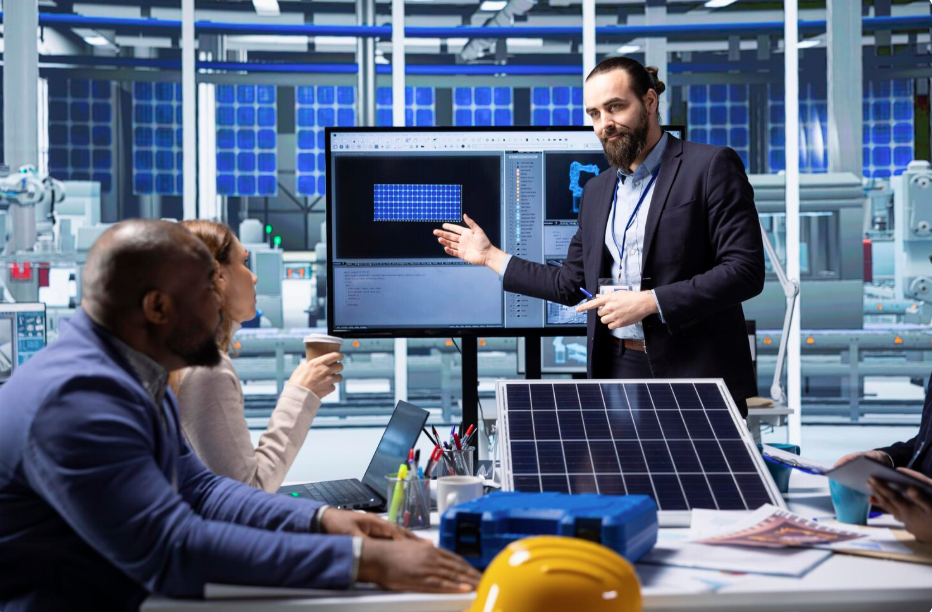
Energy systems are changing as electricity demand grows and climate patterns become more unpredictable. Traditional centralized power networks were designed for one-directional energy flow, where large plants generate electricity and send it across long distances to consumers. However, this structure is increasingly strained by rising consumption, aging infrastructure, and the integration of renewable sources. Solar energy has introduced a more flexible approach by enabling electricity generation closer to where it is used. This shift reduces transmission stress and supports a more balanced distribution of energy across regions.
Solar panel companies are playing a central role in this transformation by deploying systems that feed power directly into local grids, improving responsiveness and reliability. As distributed energy systems expand, grid stability becomes more achievable through diversified energy input and smarter coordination between generation and consumption points.
Introduction to modern grid evolution
- Distributed energy and grid resilience
Distributed generation represents a major shift from centralized electricity production to localized energy creation. Instead of relying on a few large power plants, energy is now produced by many smaller installations spread across homes, businesses, and community facilities. Solar panel companies contribute significantly to this shift by installing photovoltaic systems that generate electricity directly at the point of use. This reduces the burden on transmission lines and helps minimize losses that occur when electricity travels long distances. Distributed systems also enhance resilience because outages in one area do not necessarily affect other parts of the grid.
When solar energy is widely deployed, it creates multiple injection points that support a more stable and adaptable energy network. This structure allows utilities to better manage fluctuations in supply and demand, especially during peak usage periods or unexpected disruptions, ultimately strengthening the overall performance of modern electricity grids.
- Role of Solar Panel Deployment Strategies
Solar deployment strategies have become more sophisticated as energy systems evolve toward decentralization. Modern solar installations are no longer designed solely for individual savings but are increasingly aligned with broader grid requirements. Solar panel installation companies, such as https://aws-solar.com/, contribute to this evolution by designing systems that integrate more effectively with local distribution networks, allowing smoother energy flow between households and utility providers. These companies consider factors such as roof orientation, load balancing, and regional energy demand patterns to ensure that installations support grid stability rather than simply feeding power into it.
By strategically placing solar systems across different geographic zones, energy production becomes more evenly distributed throughout the day. This reduces pressure on centralized infrastructure during peak hours and helps flatten demand spikes. As more installations are coordinated in this way, the grid becomes more adaptive, capable of responding to changes in consumption without significant disruptions or inefficiencies.
- Smart Inverters and Voltage Regulation
Smart inverters are essential components in distributed solar energy systems, enabling better control over electricity flow and voltage levels. Unlike traditional inverters, smart versions can communicate with the grid and adjust output in real time based on system conditions. This capability helps prevent voltage fluctuations that can destabilize local networks. Solar panels companies increasingly incorporate these technologies into their installations to ensure smoother integration with utility infrastructure. By regulating how and when power is fed into the grid, smart inverters help maintain consistent energy quality across different regions. They also allow for reactive power support, which assists in balancing voltage during periods of high demand or low generation.
This dynamic interaction between solar systems and the grid reduces the risk of overload and improves overall reliability. As adoption increases, smart inverters are becoming a critical tool in managing distributed energy resources more efficiently and maintaining stable grid performance.
- Energy Storage Integration
Energy storage systems have become a crucial complement to distributed solar generation. Since solar power production depends on sunlight availability, energy output can fluctuate throughout the day. Batteries and other storage technologies help address this challenge by storing excess energy generated during peak sunlight hours and releasing it when demand increases or production drops. Solar panel companies often integrate storage solutions into their installations to enhance energy reliability and grid support. This stored energy can be dispatched during evening hours or periods of high consumption, reducing reliance on conventional power plants.
Storage systems also help smooth out sudden changes in solar generation caused by weather conditions, preventing instability in local networks. By balancing supply and demand more effectively, energy storage improves the predictability of distributed systems. This contributes to a more stable and resilient grid that can accommodate higher levels of renewable energy without compromising performance or reliability.
- Demand Response Coordination
Demand response coordination is becoming an important tool in managing distributed energy systems supported by solar installations. This approach encourages consumers to adjust their electricity usage based on grid conditions, often through automated systems or incentive programs. When solar generation is high, users may be encouraged to consume more energy, while during low generation periods, consumption is reduced or shifted. Solar panels companies support this process by enabling systems that communicate with smart meters and energy management platforms. These systems allow real-time adjustments that align consumption patterns with available supply.
By reducing peak demand pressure, the grid operates more efficiently and avoids strain during critical periods. This coordination between production and consumption helps stabilize voltage and frequency levels across distribution networks. Over time, demand response contributes to a more balanced energy ecosystem where renewable sources like solar can be integrated more effectively without compromising grid reliability.
- Data Analytics and Grid Forecasting
Data analytics has become a central element in managing distributed solar energy systems and ensuring grid stability. Advanced monitoring tools collect information from solar installations, smart meters, and grid infrastructure to predict energy production and consumption patterns. Solar panel companies increasingly rely on these insights to optimize system performance and improve coordination with utility operators. Forecasting models help anticipate periods of high or low solar output, allowing grid operators to prepare accordingly. This reduces the likelihood of sudden imbalances between supply and demand.
Analytics also support maintenance planning by identifying performance issues before they escalate into larger problems. With more accurate data, energy distribution becomes more efficient, and decision-making improves across the entire network. As distributed systems expand, the role of predictive analytics continues to grow, enabling more stable integration of renewable energy sources into the grid while maintaining consistent and reliable electricity delivery.

Dexter Harlow lives and breathes celebrity culture. From red carpet moments to the latest viral gossip, he brings Hollywood to your screen with flair and insider insight. Known for his sharp wit and captivating storytelling, Dexter keeps fans hooked, delivering the hottest entertainment news before anyone else.