

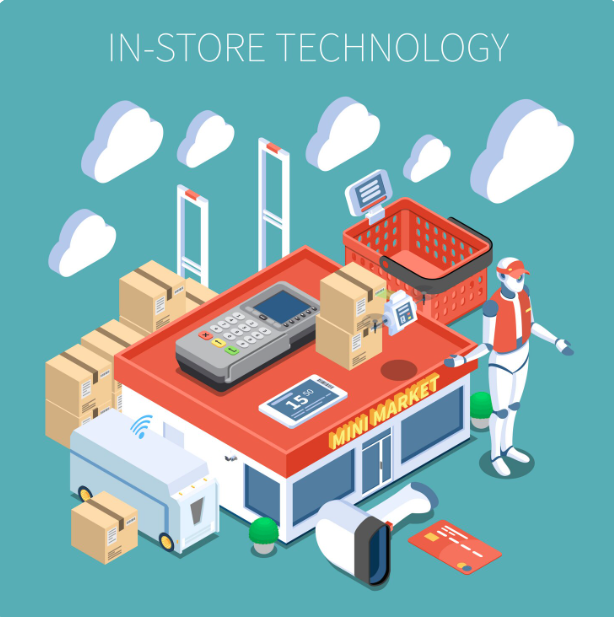
As consumers, we experience logistics as a box on a porch and a “delivered” notification on our phones. But behind that is a fast-changing world of sensors and software, and it all starts with the right warehouse equipment.
Tools that used to be dumb but sturdy are now connected and easier to optimize without the pain of spreadsheets and guesswork, and that’s only right, because we live in a time of high customer expectations and increasingly complex product mixes.
A facility might handle single-item e-commerce orders, bulk replenishment to stores, returns, and value-added services, all in the same day. It helps if leaders can see how long travel takes, where congestion builds, how often exceptions happen, and which SKUs cause the most rework.
Once you can measure those things reliably, you can improve them, which is why many upgrades start small, then expand into automation if the math works.
What Makes Equipment Smart
It’s all about feedback loops. A smart system knows what it just did, compares that to what it should have done, and uses the gap to improve the next cycle. That might mean a lift module that records pick times and recommends slotting changes, or a conveyor network that automatically reroutes totes away from a jam.
Connectivity also changes maintenance. Instead of waiting for a breakdown, teams can monitor motor temperatures and cycle counts to predict failures. That helps parts planning and reduces emergency downtime.
Turning Movement into Decisions
Hardware changes the physical flow, but software changes how you decide. The most valuable part of connected systems is the trail of events: scans, picks, replenishments, exceptions, shorts, and cycle counts.
That event trail shows which stations are overloaded and which SKUs create the most touches. Event-level data lets you see patterns at the zone and SKU level without turning every question into a three-week analysis project.
When real-time inventory tracking data is trustworthy, replenishment gets smoother, and customer service stops having to double-check with the warehouse for basic availability questions.
Smarter Safety and Ergonomics
Safer always used to mean slower, but now, smart systems challenge that assumption because they reduce chaotic work and keep productive work.
Examples look simple on the surface: pick-to-light that reduces reaching and searching, and workstation layouts that keep heavy items between knee and shoulder height. Wearables can also help in the right context, especially when they replace paper checklists and reduce the number of times people have to reorient and restart a task.
When safety becomes part of the workflow instead of a separate program, training sticks better, and operators don’t have to remember the safe way under time pressure. The system simply guides them into it.
Meeting Supply Chain Goals
It’s easy to treat a warehouse as its own universe, but in practice, the building is just one node in a network, and the winners treat it that way. Smart systems make it easier to translate what happens on the floor into upstream and downstream decisions.
In supply chain management, inventory, labor, transportation, and service levels are linked:
- If inbound variability increases, a smart slotting plan and adaptive labor scheduling can absorb the shock.
- If outbound demand spikes, automation can protect throughput without burning out teams.
- If the warehouse can predict misses earlier, transportation partners can adjust pickups before the day turns into a scramble.
Deceptively Low Adoption
The best-equipped facilities get the attention, but the broader market is still catching up. In fact, only about 20% of warehouses in North America have adopted any form of automation, even though a recent survey found 70% of executives plan to invest about $100 million in automation over the next five years.
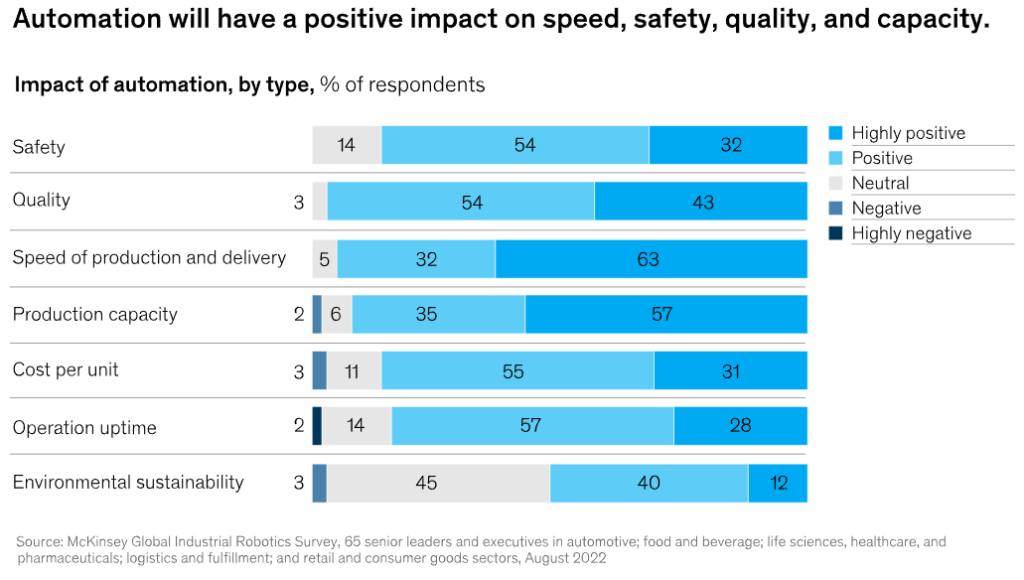
So, the tone of the current wave is that many companies are still doing foundational work: cleaning up master data, improving location accuracy, standardizing processes, and choosing systems that can scale without forcing a full redesign every two years.
This is fine, because not every transformation starts with robots. Sometimes all you need is better identification and fewer unknowns. RFID is a good example because it reduces the burden of scanning every single item and improves inventory confidence when done well.
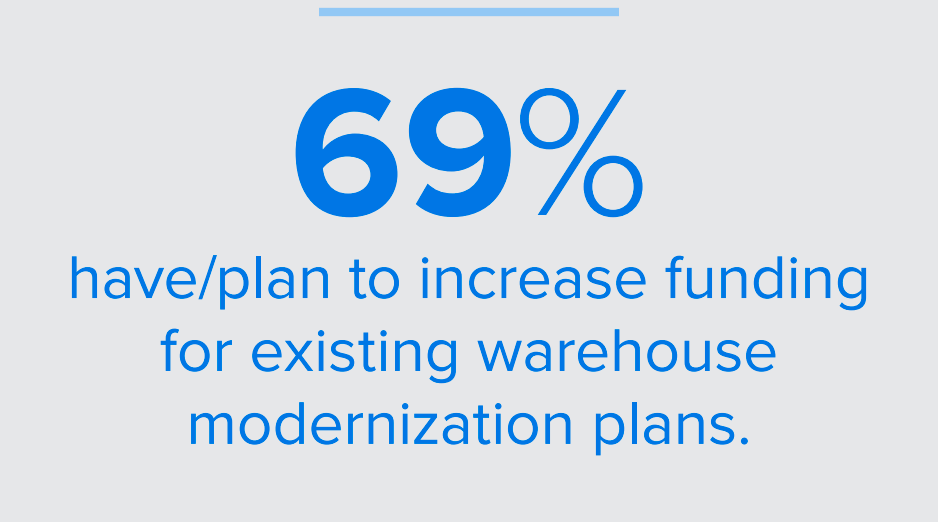
A global warehousing study found 58% of warehouse decision-makers plan to deploy RFID by 2028, and 69% already have or are planning to automate workflows by 2024.
If you can locate inventory faster and identify shrink or mis-slots earlier, you reduce the work that automation would otherwise have to fix later.
Takeaway
Smart logistics is not a single machine or a trendy layer of software. It’s a set of connected decisions that reduce wasted motion and make performance repeatable across shifts and seasons.
The strongest operations use automation where it removes friction, and they use data where it makes people better at the parts of the job that still require judgment.

Dexter Harlow lives and breathes celebrity culture. From red carpet moments to the latest viral gossip, he brings Hollywood to your screen with flair and insider insight. Known for his sharp wit and captivating storytelling, Dexter keeps fans hooked, delivering the hottest entertainment news before anyone else.